VA Loan for Business: What Veterans Need to Know
Discover how VA loans work, their business use limitations, and alternative funding options for veteran entrepreneurs seeking capital in 2026.

Veterans exploring financing options often wonder whether a va loan for business purposes is available through the Department of Veterans Affairs. While the VA loan program offers exceptional benefits for home purchases, the reality is more nuanced when it comes to business capital. Understanding what VA loans can and cannot do, alongside exploring alternative funding pathways designed specifically for business needs, is essential for veteran entrepreneurs planning their financial strategy in 2026. This article examines the scope of VA loan benefits, clarifies common misconceptions about using a va loan for business activities, and outlines practical funding solutions for veterans who need capital to start, expand, or operate their companies.
Understanding VA Loan Programs and Their Primary Purpose
The VA loan program, established through the Servicemembers Readjustment Act of 1944, was designed to help eligible veterans, active-duty service members, and qualifying surviving spouses achieve homeownership. These federally guaranteed mortgages offer compelling advantages: no down payment requirement, competitive interest rates, no private mortgage insurance, and more flexible credit standards compared to conventional loans. According to the Consumer Financial Protection Bureau's overview of VA loans, these benefits have helped millions of veterans purchase homes since the program's inception.
However, the va loan for business use question requires careful examination. VA loans are specifically structured for residential property purchases and refinancing. The Department of Veterans Affairs guarantees a portion of the loan, protecting lenders against default and enabling the favorable terms veterans receive. This guarantee applies strictly to owner-occupied residential properties that meet VA minimum property requirements and appraisal standards.
What Properties Qualify Under VA Loan Guidelines
VA loans can finance several property types, provided the veteran intends to occupy the property as their primary residence:
- Single-family homes
- Condominiums (in VA-approved projects)
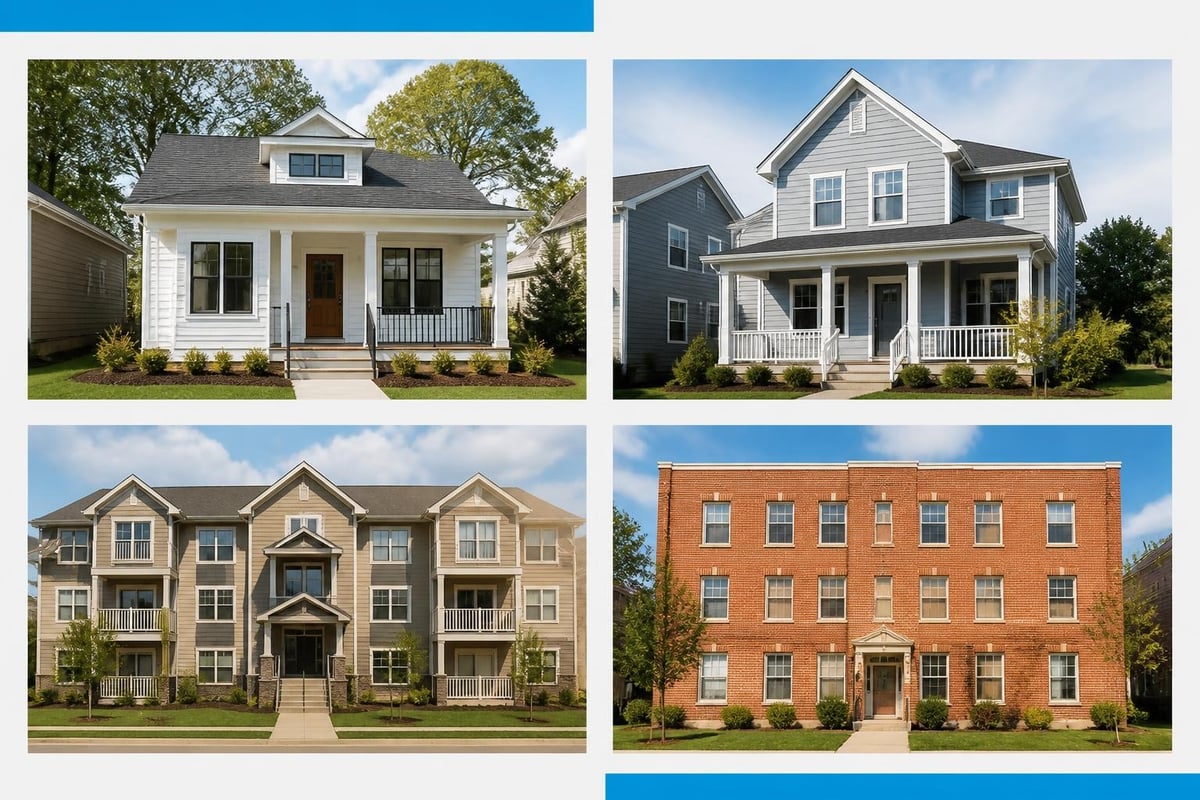
- Multi-unit properties (up to four units, with owner occupancy)
- Manufactured homes and lots
- New construction homes
The occupancy requirement is critical. Veterans must certify their intent to personally occupy the property as their primary residence within a reasonable time after closing, typically 60 days. This requirement directly impacts any discussion of a va loan for business purposes, as it limits how the financed property can be used immediately after purchase.
Can You Use a VA Loan for Business Purposes?
The short answer is that you cannot use a va loan for business in the traditional sense of purchasing commercial property, financing business equipment, or obtaining working capital. VA loans are residential mortgage products, not commercial or business loans. The VA does not guarantee loans for purchasing retail spaces, office buildings, warehouses, or other commercial real estate.
However, certain scenarios create legitimate overlap between homeownership and business activity. Veterans may be able to strategically use VA loan benefits while pursuing entrepreneurial goals, within specific parameters and compliance requirements.
Home-Based Business Scenarios
Many veterans operate businesses from their homes, and a VA loan can finance the purchase of a residence that will also serve as a business location. This arrangement is permissible provided the property remains primarily a residence and the veteran maintains it as their primary home. According to IRS Publication 587, home office deductions may be available for the business portion of the property, but the VA loan itself must still be for residential purposes.
Key considerations for using a VA-financed home for business include:
Zoning and permitted use: Verify local zoning allows home-based business operations in the property's location.
Property condition: The home must still meet VA minimum property requirements and appraisal standards, which focus on safety, habitability, and residential use.
Occupancy compliance: The veteran must occupy the property as their primary residence, regardless of business activities conducted there.
Lender disclosure: Full transparency with the VA lender about intended home-based business use helps ensure compliance and avoid potential issues.
Multi-Unit Property Investment Strategy
A more sophisticated approach to using a va loan for business-adjacent purposes involves purchasing a multi-unit property (duplex, triplex, or fourplex) with a VA loan. The veteran must occupy one unit as their primary residence, but can rent the remaining units to tenants, creating rental income that functions as a business revenue stream.
| Property Type | Units | Owner Occupancy Required | Rental Units Allowed |
|---|---|---|---|
| Single-Family | 1 | Yes (100%) | No |
| Duplex | 2 | Yes (1 unit) | Yes (1 unit) |
| Triplex | 3 | Yes (1 unit) | Yes (2 units) |
| Fourplex | 4 | Yes (1 unit) | Yes (3 units) |
This strategy allows veterans to build real estate investment portfolios while benefiting from VA loan advantages. The rental income from non-occupied units can help offset the mortgage payment and generate cash flow. While not a va loan for business in the commercial sense, this approach enables entrepreneurial veterans to create passive income and build equity simultaneously.
Restrictions and Compliance Requirements
Understanding the limitations and rules surrounding VA loans prevents costly mistakes and potential fraud allegations. The VA and lenders take occupancy requirements seriously, and violations can result in loan acceleration (demanding full immediate repayment), fraud charges, and loss of future VA loan eligibility.
Primary Residence and Occupancy Rules
The veteran borrower must sign an occupancy certification at closing, declaring their intent to occupy the property as their primary residence. Exceptions exist for active-duty service members who receive permanent change of station orders, but generally, the property must be the veteran's principal dwelling.
Attempting to use a va loan for business by purchasing property solely for commercial rental or business operations without living there constitutes occupancy fraud. The Consumer Financial Protection Bureau provides information on protections for servicemembers and veterans that also highlights the importance of understanding loan terms and obligations.
Changes to Property Use After Occupancy Period
Once a veteran has satisfied the occupancy requirement (typically 12 months of residence), greater flexibility exists. The property can be converted to a rental, and the veteran can move to a new primary residence. This timeline allows veterans to eventually transition a VA-financed property into an investment property, though this is distinct from using a va loan for business acquisition at the time of purchase.
Veterans considering future property conversion should:
- Maintain the property as their primary residence for at least 12 months
- Notify their lender if converting to rental use
- Understand that rental conversion doesn't restore VA entitlement until the loan is paid off or assumed by another eligible veteran
- Ensure adequate insurance coverage for rental properties
- Comply with all local landlord and rental property regulations
True Business Funding Alternatives for Veterans
Since a va loan for business purposes in the commercial sense is not available through the VA home loan program, veteran entrepreneurs need alternative funding sources designed specifically for business capital needs. Fortunately, numerous programs and financing solutions target veteran-owned businesses, recognizing the skills, discipline, and leadership veterans bring to entrepreneurship.
Small Business Administration (SBA) Programs for Veterans
The Small Business Administration offers comprehensive support for veterans through multiple initiatives designed to help veterans start and grow successful businesses. These programs provide funding access, training, counseling, and federal contracting opportunities specifically tailored to veteran entrepreneurs.
SBA loan programs include several options for qualified veteran business owners:
- 7(a) loans: General-purpose loans up to $5 million for working capital, equipment, real estate, and business acquisition
- 504 loans: Long-term, fixed-rate financing for major assets like real estate and equipment
- Microloans: Smaller loans up to $50,000 for startups and growing businesses
- Express loans: Expedited processing for loans up to $500,000
The SBA's VetCert program and Boots to Business training provide educational resources and certification pathways that strengthen veterans' business capabilities and competitive positioning. Veteran Outreach Centers across the country offer free business counseling and planning assistance.

Traditional Business Financing Options
Beyond SBA programs, veteran business owners can access conventional business funding products available to all entrepreneurs. These options often provide faster approval and funding compared to government programs, though terms and requirements vary significantly.
Commercial real estate loans allow veterans to purchase business property, office space, retail locations, or industrial facilities. Unlike a va loan for business, these are conventional commercial mortgages with different qualification criteria, higher down payment requirements (typically 20-30%), and terms based on business financials and property value.
Business term loans provide lump-sum capital repaid over fixed periods, useful for equipment purchases, expansion projects, or major business investments. Qualification depends on business revenue, credit history, time in business, and financial documentation.
Business lines of credit offer flexible, revolving access to capital for ongoing operational needs. Veterans managing cash flow fluctuations, seasonal inventory needs, or recurring expenses may benefit from exploring business lines of credit through financing brokers who connect businesses with appropriate lenders based on their specific qualifications and requirements.
Alternative and Revenue-Based Funding
Veteran-owned businesses with established revenue streams have additional funding options that prioritize business performance over traditional credit metrics. These solutions can provide capital when conventional financing isn't accessible or when speed is essential.
| Funding Type | Best For | Typical Amount | Speed to Funding |
|---|---|---|---|
| Revenue-Based Financing | Businesses with consistent sales | $10K - $500K | 1-5 business days |
| Equipment Financing | Asset purchases | $5K - $5M | 3-10 business days |
| Invoice Factoring | B2B companies with receivables | $10K - $1M+ | 1-3 business days |
| Inventory Financing | Retail/wholesale businesses | $25K - $500K | 3-7 business days |
These alternatives to a va loan for business purposes often have more flexible qualification requirements, focusing on business cash flow and revenue rather than extensive financial documentation or perfect credit scores.
Strategic Planning for Veteran Entrepreneurs
Successfully navigating business financing as a veteran requires understanding both the unique benefits available through military service and the broader landscape of business capital options. Strategic planning begins with clearly separating residential and commercial financing needs.
Leveraging VA Benefits Appropriately
Veterans should absolutely utilize their VA loan benefits for homeownership, taking full advantage of the no-down-payment benefit, competitive rates, and favorable terms. The money saved through VA loan benefits can then be redirected toward business capital needs, creating a more efficient overall financial strategy.
For example, a veteran purchasing a home with zero down payment instead of the 20% down required for a conventional loan preserves substantial cash. On a $300,000 home, that's $60,000 in liquid capital that remains available for business investment, equipment purchases, inventory, or working capital.
Building Business Credit Separately
Establishing strong business credit distinct from personal credit is essential for accessing optimal business funding. Veterans should:
- Form a proper business entity (LLC, corporation, etc.)
- Obtain a federal Employer Identification Number (EIN)
- Open dedicated business bank accounts
- Establish trade credit with suppliers
- Apply for business credit cards and use them responsibly
- Register with business credit bureaus (Dun & Bradstreet, Experian Business, Equifax Business)
This separation clarifies that residential VA loans and business financing serve different purposes, preventing confusion about using a va loan for business activities.

Common Misconceptions About VA Loans and Business Use
Several persistent myths surround the question of a va loan for business purposes. Clarifying these misconceptions helps veterans make informed decisions and avoid potential compliance issues.
Misconception: VA loans can finance mixed-use properties for business operations.
Reality: While VA loans can finance properties with some commercial components (such as a home with a storefront), strict limitations apply. The property must be primarily residential, the veteran must occupy the residential portion, and the commercial use must be minor and comply with VA guidelines.
Misconception: Starting a business from a VA-financed home violates loan terms.
Reality: Operating a legitimate home-based business from a VA-financed residence is generally permissible, provided the property remains the veteran's primary residence and local zoning permits the business activity. However, the VA loan itself is still for residential purposes, not business financing.
Misconception: Rental income from multi-unit VA properties counts as using a va loan for business.
Reality: Renting non-occupied units in a VA-financed multi-unit property is allowed and the rental income can be used to qualify for the loan. However, this is an investment strategy within residential real estate, not commercial business financing.
Misconception: Veterans can get VA business loans for commercial property through the VA.
Reality: The Department of Veterans Affairs does not offer business loans, commercial real estate loans, or working capital financing. VA loan benefits apply exclusively to residential mortgages for primary residences.
Market Context: Veteran Entrepreneurship in 2026
Understanding the broader landscape of veteran business ownership provides context for funding discussions. According to the U.S. Census Bureau's analysis of veteran-owned businesses, approximately 1.8 million businesses are veteran-owned, contributing significantly to the American economy and employing millions of workers.
Veterans bring valuable skills to entrepreneurship, including leadership, discipline, strategic thinking, and adaptability. These attributes contribute to higher success rates among veteran-owned businesses compared to general small business statistics. However, access to adequate capital remains a significant challenge, making understanding of funding options crucial for veteran entrepreneurs.
The disconnect between seeking a va loan for business purposes and the actual availability of such products highlights an education gap that affects many veterans. Increased awareness of appropriate business funding alternatives, combined with proper utilization of residential VA loan benefits, creates a more effective financial strategy.
Industry-Specific Considerations
Different industries present varying capital requirements and funding availability. Veterans should align their funding strategy with their specific business model:
Service-based businesses (consulting, professional services, contracting) typically have lower capital requirements, making SBA microloans, business credit cards, or small term loans sufficient for startup and early growth.
Product-based businesses (manufacturing, retail, e-commerce) require inventory investment and may benefit from inventory financing, revenue-based funding, or equipment financing for production assets.
Real estate investment businesses benefit from the multi-unit VA loan strategy discussed earlier, supplemented by conventional investment property loans as the portfolio grows.
Technology businesses may need specialized venture funding or innovation grants, supplemented by SBA loans for equipment and working capital.
Working with Financing Brokers and Advisors
Navigating the complex landscape of business funding options can be challenging, especially when initial assumptions about a va loan for business prove inaccurate. Professional guidance from experienced financing brokers helps veteran entrepreneurs identify appropriate funding sources matched to their specific circumstances.
Business financing brokers maintain relationships with diverse lenders and funding providers, understanding which sources work best for different business profiles, industries, revenue levels, and credit situations. This expertise saves time and increases approval likelihood by matching applications with suitable lenders from the outset.
Questions to Ask Potential Financing Partners
When evaluating business funding options and potential financing advisors, veterans should ask:
- What types of funding do you specialize in connecting businesses with?
- What are the typical qualification requirements for the funding sources you work with?
- How quickly can approved businesses receive funding?
- What documentation is required for application and underwriting?
- Are there any upfront fees or costs before funding is secured?
- What are the typical terms, rates, and repayment structures?
- Do you work with veteran-owned businesses regularly?
- Can you provide references from veteran business owners you've helped?
Transparency and clear communication are essential indicators of reputable financing professionals who prioritize client success over transaction volume.
Tax Implications and Financial Planning
The intersection of residential real estate financing and business operations creates tax considerations that veterans should understand, particularly when operating businesses from VA-financed homes or converting properties to rental use.
Home Office Deductions
Veterans operating legitimate businesses from their primary residence may qualify for home office deductions under specific IRS criteria. The business space must be used regularly and exclusively for business purposes, and the home office must be either the principal place of business or a place where the veteran meets clients or customers in the normal course of business.
Eligible deductions may include a percentage of:
- Mortgage interest
- Property taxes
- Utilities
- Insurance
- Repairs and maintenance
- Depreciation
These deductions don't change the fact that the VA loan itself is residential financing, but they provide tax benefits that improve the overall financial efficiency of operating a business from a VA-financed home.
Rental Property Tax Treatment
When converting a VA-financed property to rental use after satisfying occupancy requirements, the tax treatment changes significantly. Rental income becomes taxable, but related expenses (including mortgage interest, property taxes, insurance, repairs, depreciation, and property management) become deductible against that income.
Professional tax guidance is essential for veterans navigating these transitions, ensuring compliance with IRS regulations while optimizing tax positions.
Moving Forward: Creating Your Funding Strategy
Veterans seeking capital for business purposes should develop comprehensive funding strategies that appropriately leverage available benefits and align with their specific business needs. This approach recognizes that while a va loan for business in the commercial sense doesn't exist, multiple pathways to business capital are available.
Step 1: Secure housing through VA loan benefits if you're planning homeownership. Maximize the financial advantage by avoiding down payment requirements and preserving capital for business use.
Step 2: If operating a home-based business, ensure the property and business activities comply with zoning regulations and VA occupancy requirements. Maintain the residence as your primary home while conducting legitimate business operations.
Step 3: Explore appropriate business funding based on your specific needs: SBA loans for traditional business purchases and expansion, revenue-based financing for working capital, equipment financing for asset purchases, or specialized veteran programs.
Step 4: Build strong business credit independently from personal credit, creating access to better terms and higher limits as your business grows and establishes its track record.
Step 5: Work with experienced business financing advisors who understand veteran-owned business funding and can efficiently connect you with suitable lenders and programs.
This structured approach separates residential and commercial financing appropriately while maximizing the benefits available through both military service and general business funding markets.
While a va loan for business purposes isn't available through the VA home loan program, veterans have access to powerful benefits for homeownership and numerous specialized funding options for their business ventures. Understanding these distinct pathways and using each appropriately creates the strongest financial foundation for veteran entrepreneurs. When you're ready to explore business funding solutions tailored to your company's revenue, performance, and capital needs, Enterprise Finest Solutions connects business owners with a network of lenders and alternative funding providers to identify the right financing for your growth objectives.
Written by
Enterprise Finest Solutions
Content creator and writer sharing insights and stories.