Grants For Disabled Business Owners
Discover grants for disabled business owners in 2026. Explore federal programs, state funding, nonprofit grants, and alternative financing options.

Entrepreneurs with disabilities face unique challenges when launching and growing their businesses, from accessibility modifications to specialized equipment needs. Fortunately, grants for disabled business owners provide vital financial support without the burden of repayment. These funding opportunities come from federal agencies, state governments, nonprofit organizations, and private foundations committed to fostering inclusive economic growth. Understanding the landscape of available grants and how to access them can transform a business idea into a thriving enterprise while building financial stability without accumulating debt.
Federal Grant Programs Supporting Disabled Entrepreneurs
The federal government administers several programs specifically designed to support business ownership among individuals with disabilities. These initiatives recognize that entrepreneurship creates economic independence and reduces reliance on public assistance programs.
Vocational Rehabilitation Business Development Programs
State Vocational Rehabilitation (VR) agencies receive federal funding to help individuals with disabilities achieve employment goals, including self-employment and business ownership. Each state's VR program operates independently, but all share the common mission of economic empowerment.
Eligible expenses through VR programs typically include:
- Business plan development and consulting services
- Equipment purchases necessary for business operations
- Training and technical assistance
- Accessibility modifications to business locations
- Marketing and promotional materials
- Initial inventory and supplies
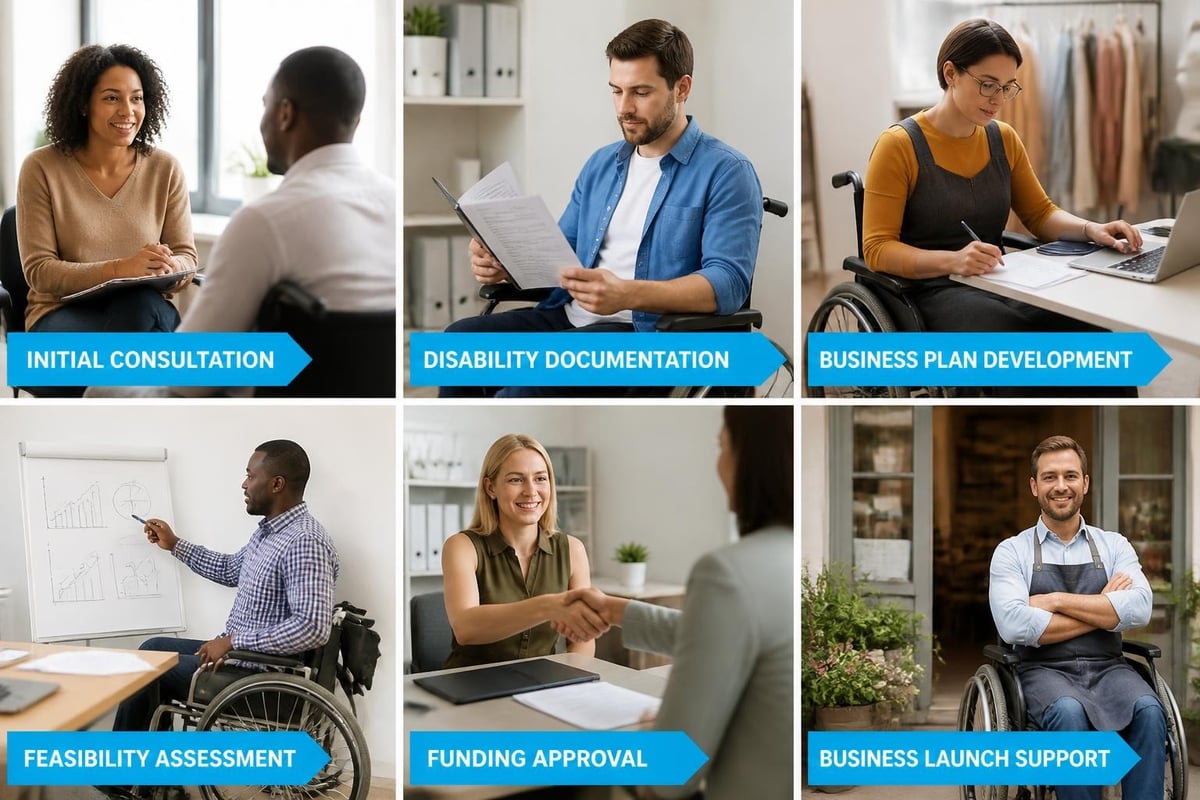
VR counselors work directly with applicants to assess their business concepts, evaluate feasibility, and determine appropriate funding levels. The application process requires documentation of disability status, a comprehensive business plan, and demonstration that self-employment represents a viable path to economic self-sufficiency.
Small Business Administration Initiatives
While the Small Business Administration (SBA) doesn't offer direct grants for disabled business owners, it manages several relevant programs. The SBA's Service-Disabled Veteran-Owned Small Business (SDVOSB) program provides contracting advantages, and various SBA resource partners offer specialized training.
The SBA also connects entrepreneurs to Community Advantage lenders who understand the unique circumstances disabled business owners face. These mission-driven lenders consider factors beyond traditional credit metrics when evaluating loan applications.
State-Level Grant Opportunities
Individual states recognize that supporting disabled entrepreneurs strengthens their economies and communities. Many states have developed grant programs specifically targeting business owners with disabilities.
State Small Business Credit Initiative Expansions
Several states allocate portions of their Small Business Credit Initiative (SSBCI) funding to underserved entrepreneur populations, including disabled business owners. These programs vary significantly by jurisdiction in terms of funding amounts, eligible expenses, and application requirements.
| State Program Type | Typical Grant Range | Common Eligible Uses | Application Cycle |
|---|---|---|---|
| Direct Grant Programs | $5,000 - $50,000 | Equipment, inventory, marketing | Quarterly or annual |
| Matching Grant Programs | Up to $25,000 | Capital investments, accessibility | Semi-annual |
| Revolving Loan Funds | $10,000 - $100,000 | Working capital, expansion | Rolling basis |
| Technical Assistance Grants | $2,500 - $10,000 | Consulting, training, certification | Monthly |
State programs often prioritize businesses that create jobs, serve underserved markets, or contribute to economic development in specific regions. Researching your state's economic development agency website or contacting your local Small Business Development Center can reveal currently available opportunities.
Disability-Specific State Initiatives
Some states have established dedicated funding streams for entrepreneurs with disabilities. California's Department of Rehabilitation, for example, manages a Business Enterprise Program that helps individuals with significant disabilities establish and operate businesses. New York's Office of Vocational and Educational Services for Individuals with Disabilities (VESID) provides similar support.
These programs recognize that traditional financing often overlooks disabled entrepreneurs despite their proven success rates and business acumen. State initiatives fill critical funding gaps while promoting economic inclusion.
Nonprofit and Foundation Grant Programs
Private foundations and nonprofit organizations provide substantial support for disabled business owners through competitive grant programs. These opportunities often offer more flexible terms than government programs and may focus on specific industries or demographic groups.
National Disability-Focused Organizations
The Disability Rights Fund, AbilityOne, and similar organizations periodically offer grants for disabled business owners pursuing innovative ventures. The National Disability Institute runs entrepreneurship programs that combine grant funding with mentorship and technical assistance.
Key nonprofit grant sources include:
- Local independent living centers with microenterprise programs
- Community foundations supporting inclusive economic development
- Industry-specific associations promoting diversity in business ownership
- Faith-based organizations committed to economic justice
- Corporate foundations with disability inclusion initiatives
Application requirements vary, but most nonprofit grants for disabled business owners require detailed business plans, budget narratives, and clear articulation of how the funding will advance both business goals and community impact.

Industry-Specific Grant Opportunities
Certain industries actively recruit disabled entrepreneurs through targeted grant programs. The technology sector, healthcare services, and professional services industries have established initiatives recognizing the valuable perspectives disabled business owners bring to serving diverse customer bases.
Trade associations within your industry may offer grants, scholarships, or startup support specifically for members with disabilities. These programs strengthen the profession while expanding opportunities for talented entrepreneurs who might otherwise face barriers to entry.
Corporate Grant and Sponsorship Programs
Major corporations increasingly recognize disability inclusion as both a social imperative and business advantage. Many Fortune 500 companies operate grant programs supporting disabled entrepreneurs as part of their supplier diversity and corporate social responsibility initiatives.
Supplier Diversity Programs
Companies committed to diverse supply chains often provide development grants to help disabled-owned businesses become qualified vendors. These programs may offer:
- Direct financial grants for business development
- Mentorship from corporate executives and procurement specialists
- Fast-track vendor certification processes
- Guaranteed purchase orders or contract opportunities
- Access to procurement fairs and networking events
- Technical assistance with proposal writing and compliance
Corporate grant programs typically require formal disability-owned business certification through organizations like Disability:IN or the National Gay and Lesbian Chamber of Commerce (NGLCC), which also certifies businesses owned by individuals with disabilities.
Technology and Innovation Grants
Tech companies and innovation-focused corporations offer grants for disabled business owners developing accessible products, assistive technologies, or solutions addressing disability-related market needs. Google, Microsoft, and Amazon all maintain programs supporting entrepreneurs from underrepresented communities, including disabled founders.
These competitive grants often come with accelerator program participation, cloud computing credits, and exposure to venture capital networks. While highly selective, they provide substantial resources for scaling innovative businesses.
Alternative Funding When Grants Aren't Available
Despite the growing number of grants for disabled business owners, competition remains intense and approval rates stay relatively low. Understanding complementary financing options ensures business growth continues regardless of grant application outcomes.
Many disabled entrepreneurs successfully combine small grant awards with revenue-based financing or Working Capital Financing that doesn't require traditional collateral. These flexible funding solutions focus on business performance rather than personal credit history, making them accessible to entrepreneurs who may have employment gaps due to disability-related circumstances.
Crowdfunding and Community Investment
Platforms like Kiva, iFundWomen, and GoFundMe enable disabled business owners to raise capital directly from supporters who believe in their vision. Crowdfunding campaigns that share authentic entrepreneurial journeys often resonate strongly with backers motivated by social impact alongside financial returns.
Community Development Financial Institutions (CDFIs) specialize in lending to underserved entrepreneurs and may offer more favorable terms than conventional banks. Many CDFIs combine loans with grant components for qualifying businesses.
Application Strategies for Maximum Success
Winning grants for disabled business owners requires strategic preparation and compelling presentation of both business viability and social impact.
Building a Compelling Application
Successful grant applications demonstrate clear business concepts, realistic financial projections, and meaningful community benefit. Reviewers evaluate whether the funding will create sustainable businesses rather than temporary ventures.
Essential application components include:
- Executive summary articulating your unique value proposition
- Market analysis proving customer demand for your products or services
- Detailed financial projections spanning at least three years
- Management team credentials and relevant experience
- Specific funding request with itemized budget
- Impact statement explaining how your business addresses community needs
Tailor each application to the specific grant maker's priorities. A federal VR program emphasizes employment outcomes and self-sufficiency, while a corporate grant program might prioritize innovation and scalability.

Documentation and Certification
Most grants for disabled business owners require verification of disability status. Acceptable documentation typically includes Social Security disability determination letters, Veterans Affairs disability ratings, or physician statements on official letterhead.
Obtaining formal business certifications strengthens applications significantly. Disability-owned business certifications from recognized organizations provide third-party validation and may unlock additional opportunities beyond the immediate grant program.
Combining Multiple Funding Sources
Strategic entrepreneurs rarely rely on a single funding source. Successful business launches often combine multiple grants for disabled business owners with loans, personal investment, and revenue generation.
| Funding Source | Best Used For | Typical Timeline | Repayment Required |
|---|---|---|---|
| Federal VR Grants | Equipment, training, startup costs | 3-6 months | No |
| State Economic Development | Expansion, job creation | 2-4 months | No |
| Nonprofit Grants | Specific projects, pilot programs | 1-6 months | No |
| Working Capital Loans | Inventory, cash flow, operations | 1-2 weeks | Yes |
| Equipment Financing | Machinery, vehicles, technology | 2-3 weeks | Yes |
Layering funding sources reduces risk and provides flexibility as business needs evolve. A $15,000 grant might cover initial equipment, while revenue-based financing handles inventory as sales volume grows.
Ongoing Support Beyond Initial Funding
Securing startup grants represents just the beginning of the entrepreneurial journey. Successful disabled business owners leverage ongoing resources to sustain growth and overcome challenges.
Technical Assistance Programs
Many grant providers offer continued support through business coaching, accounting assistance, and marketing guidance. SCORE mentors provide free consulting services specifically valuable for entrepreneurs navigating business challenges while managing disability-related circumstances.
Small Business Development Centers (SBDCs) located throughout the country offer specialized counseling for disabled entrepreneurs. These federally-funded programs provide expert guidance on financial management, marketing strategy, and regulatory compliance at no cost to qualifying business owners.
Networking and Peer Support
Organizations like the American Association of People with Disabilities (AAPD) and the National Organization on Disability facilitate connections among disabled entrepreneurs. These networks provide peer mentorship, collaboration opportunities, and emotional support from others who understand the unique intersection of disability and business ownership.
Industry associations within your specific sector may also offer disability-focused chapters or affinity groups that combine professional development with community building.
Maintaining Compliance and Reporting Requirements
Grants for disabled business owners come with accountability obligations. Understanding and meeting these requirements protects your funding and maintains eligibility for future opportunities.
Financial Tracking and Documentation
Grant recipients must maintain detailed records of how funds are spent, typically requiring receipts, invoices, and bank statements demonstrating compliance with approved budgets. Many programs require quarterly reports documenting business progress, revenue growth, and job creation.
Investing in simple accounting software from the outset makes compliance reporting substantially easier. QuickBooks, FreshBooks, and similar platforms generate the financial reports most grant makers require without extensive manual work.
Performance Milestones
Grant agreements often specify performance targets such as revenue goals, customer acquisition numbers, or employment creation. Missing these milestones may trigger repayment obligations or disqualification from future funding rounds.
Setting realistic, achievable goals during the application process protects against overpromising. Conservative projections that you can exceed demonstrate business acumen and create opportunities for additional support.
Planning for Long-Term Sustainability
While grants provide essential startup capital, building sustainable businesses requires planning beyond initial funding. Disabled entrepreneurs who create lasting enterprises focus on revenue growth, customer retention, and operational efficiency.
Revenue Diversification
Businesses overly dependent on grants face vulnerability when funding cycles change. Developing multiple revenue streams through product diversification, service expansion, or new market entry creates stability and growth potential.
Many successful disabled business owners use initial grant funding to prove their concept, then transition to revenue-based growth models that rely primarily on customer payments rather than continuous grant applications.
Strategic Growth Planning
As your business matures, different financing tools become appropriate for various growth stages. Equipment financing might fund expansion into new locations, while lines of credit manage seasonal cash flow fluctuations that naturally occur as businesses scale.
Understanding the full spectrum of business financing options, from grants for disabled business owners to conventional loans and alternative funding, positions you to access capital when opportunities arise. Resources available through organizations like Enterprise Finest Solutions help business owners navigate these options based on their specific circumstances and growth objectives.
Grants for disabled business owners provide crucial non-repayable capital that helps overcome initial barriers to entrepreneurship, but successful ventures combine multiple funding sources and focus on sustainable revenue generation. Whether you're launching a new business or expanding an existing one, Enterprise Finest Solutions connects you with flexible financing options aligned with your revenue, business performance, and capital needs, complementing grant funding to fuel your growth journey.
Explore Topics
Written by
Enterprise Finest Solutions
Content creator and writer sharing insights and stories.