Small Franchises: A Smart Path to Business Ownership
Discover how small franchises offer accessible entrepreneurship with lower investment, local focus, and proven systems for aspiring business owners.

Small franchises represent an increasingly attractive entry point for aspiring entrepreneurs who want the support of an established brand without the overwhelming capital requirements of large-scale franchise operations. These compact, streamlined business models typically require investments ranging from $50,000 to $250,000, making them accessible to a broader pool of business owners while still delivering the proven systems, training, and brand recognition that make franchising appealing. As the franchising landscape evolves in 2026, small franchises have carved out a distinctive niche that balances entrepreneurial independence with corporate support, offering opportunities across diverse industries from home services to specialty retail.
Understanding the Small Franchise Landscape
The term "small franchises" encompasses a wide range of business models that share several defining characteristics. Unlike massive quick-service restaurant chains or hotel franchises that may require millions in startup capital, small franchises typically operate with lower overhead, smaller physical footprints, and more manageable staffing requirements.
Defining Characteristics of Small Franchises
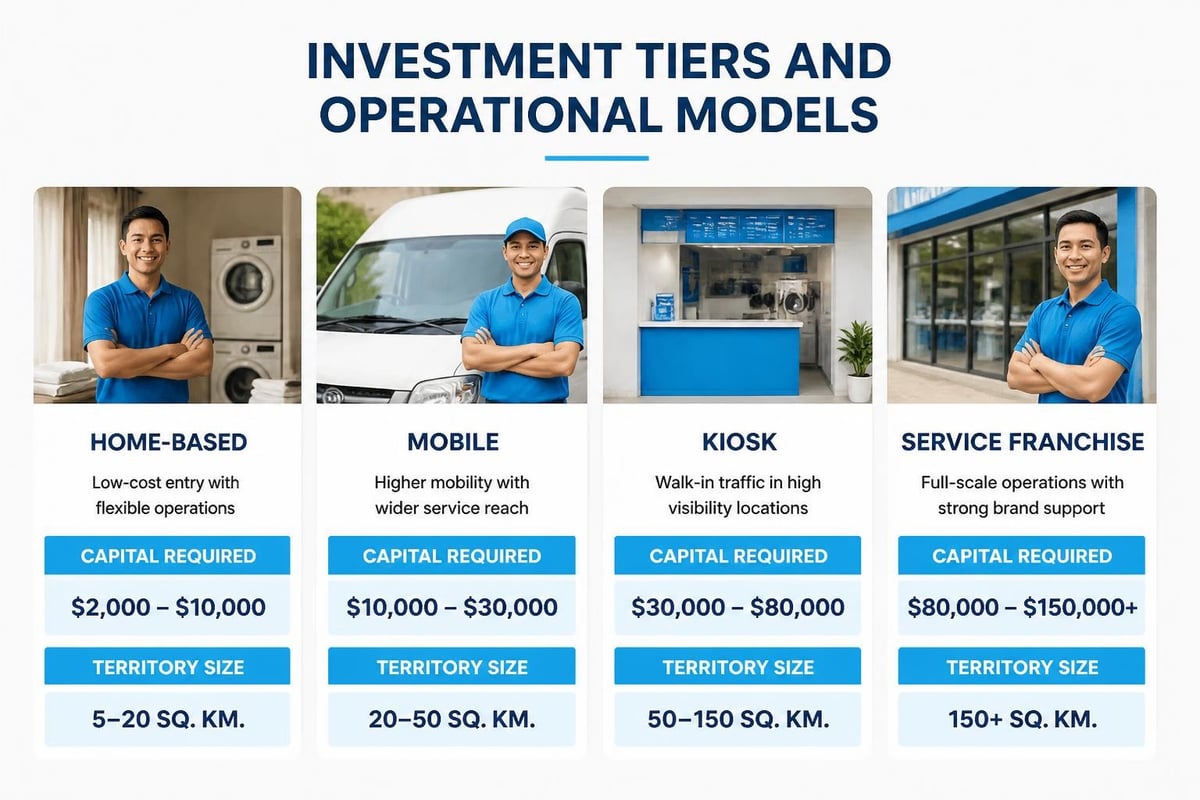
Most small franchises fall into several operational categories that distinguish them from their larger counterparts. Home-based franchises require minimal physical space, often operating entirely from a residential office or garage. Mobile franchises bring services directly to customers, eliminating the need for expensive retail locations. Kiosk and cart-based concepts occupy compact commercial spaces in malls or shopping centers. Service-based franchises focus on providing expertise rather than products, reducing inventory costs.
Key attributes include:
- Initial investment typically under $250,000
- Lower ongoing royalty and advertising fees
- Smaller territory requirements
- Reduced staffing needs (often owner-operated)
- Faster time to profitability
- Greater operational flexibility
According to the 2025 Annual Franchisor Survey, emerging franchise concepts with lower barriers to entry have shown stronger unit growth rates than established mega-brands, reflecting increased demand for accessible business ownership opportunities.
Popular Industries for Small Franchises
Small franchises thrive in sectors where personalized service, local market knowledge, and operational agility create competitive advantages. Cleaning services, pet care, tutoring and education, senior care, fitness coaching, and specialty food concepts have all demonstrated strong performance in the small franchise category.
The service sector dominates small franchise opportunities because these businesses can launch quickly, scale gradually, and adapt to local market conditions without significant infrastructure investments. A cleaning franchise owner, for example, can begin operations with basic equipment and a single vehicle, adding staff and expanding service areas as revenue grows.
| Industry Sector | Typical Investment Range | Average Time to Launch | Staffing Requirements |
|---|---|---|---|
| Home Services | $50,000 - $150,000 | 2-4 months | 1-3 employees |
| Mobile Food | $75,000 - $200,000 | 3-6 months | 1-5 employees |
| Tutoring/Education | $40,000 - $120,000 | 1-3 months | 1-2 employees |
| Pet Services | $60,000 - $180,000 | 2-5 months | 1-4 employees |
| Senior Care | $80,000 - $200,000 | 3-6 months | 2-6 employees |
Financial Advantages and Funding Considerations
One of the most compelling aspects of small franchises is their financial accessibility compared to traditional franchise opportunities. However, even modest investment requirements demand careful planning and often require external financing to preserve working capital.
Capital Requirements and Cost Structure
Small franchises typically break their investment requirements into several categories. The franchise fee itself usually ranges from $15,000 to $50,000, representing the cost of joining the franchise system and accessing its training, brand, and support infrastructure. Equipment and inventory costs vary widely by industry but generally remain manageable. Working capital reserves to cover operational expenses during the startup phase often represent the largest variable in total investment.
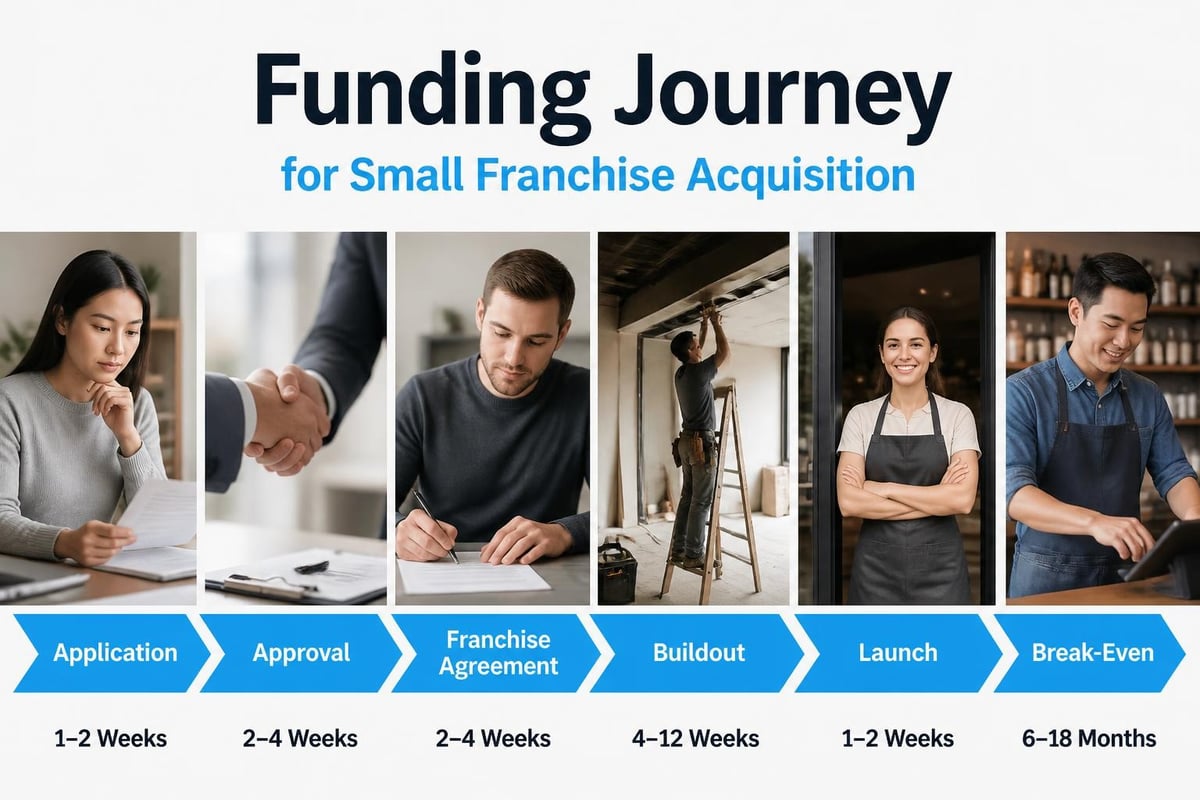
Smart franchisees preserve personal liquidity by securing appropriate financing for franchise launch costs. Working Capital Financing helps small and medium-sized businesses explore fast, flexible funding solutions that can bridge the gap between franchise launch and positive cash flow, ensuring owners maintain adequate reserves for unexpected expenses or growth opportunities.
The ongoing cost structure of small franchises also differs significantly from larger operations. Royalty fees (typically 4-8% of gross revenue) and advertising contributions (usually 1-3%) remain proportional to business performance, making them more manageable during slower periods.
Exploring Financing Options
Most small franchise buyers utilize some combination of personal savings, retirement funds, Small Business Administration (SBA) loans, and alternative financing. The SBA maintains a Franchise Directory listing franchises that meet their lending criteria, streamlining the approval process for qualified applicants.
Common financing pathways include:
- SBA 7(a) loans offering favorable terms and longer repayment periods
- Home equity lines of credit leveraging existing real estate
- Retirement fund rollovers (ROBS) allowing tax-deferred investment
- Franchisor financing programs providing direct or guaranteed funding
- Revenue-based financing for established franchise resales
The financing landscape for small franchises has evolved considerably, with lenders increasingly recognizing the lower risk profile of proven franchise systems compared to independent startups. Understanding which funding sources align with your credit profile, business experience, and franchise selection requires careful evaluation and often benefits from professional guidance.
Evaluating Small Franchise Opportunities
The abundance of small franchise options available in 2026 makes thorough due diligence absolutely essential. Not all franchise opportunities deliver equivalent value, and some may not align with your skills, market conditions, or financial objectives.
The Franchise Disclosure Document
Every franchisor must provide prospective franchisees with a Franchise Disclosure Document (FDD) at least 14 days before signing any agreement or accepting any payment. The FTC's Consumer Guide to Buying a Franchise offers invaluable guidance on interpreting this complex legal document.
The FDD contains 23 specific items covering everything from franchisor litigation history to financial performance representations. Item 19, which details the earnings of existing franchisees, deserves particularly close attention. However, many franchisors choose not to include financial performance data, requiring prospective buyers to conduct independent validation by speaking directly with current franchisees.
Critical Questions for Existing Franchisees
Direct conversations with current franchise owners provide insights no legal document can capture. When evaluating small franchises, prioritize speaking with franchisees who have been operating for at least two years and who work in markets demographically similar to your target territory.
Essential validation questions include:
- How long did it take to reach break-even and positive cash flow?
- What were your actual startup costs compared to initial projections?
- How responsive and helpful is franchisor support when problems arise?
- Would you buy this franchise again knowing what you know now?
- What expenses or challenges were you not adequately prepared for?
- How accurate were the franchisor's initial projections?
The FTC's Issue Spotlight on Franchise Risks highlights common areas where franchisee expectations diverge from reality, including overly optimistic earnings projections and inadequate support during challenging periods.
Operational Considerations and Growth Strategies
Small franchises offer unique operational dynamics that differ substantially from both independent businesses and larger franchise operations. Understanding these characteristics helps set realistic expectations and develop effective management strategies.
Day-to-Day Management
Most small franchises begin as owner-operated businesses, with the franchisee directly involved in service delivery, customer interaction, and daily operations. This hands-on approach offers several advantages, including lower labor costs, direct customer relationships, and intimate knowledge of operational challenges.
However, the owner-operator model also creates limitations. Your income remains directly tied to hours worked, making vacation time difficult and illness financially costly. Successful small franchise owners develop systems and eventually hire reliable staff to create some operational independence.
| Management Approach | Pros | Cons | Best For |
|---|---|---|---|
| Owner-Operator | Lower costs, direct control, strong customer relationships | Income ceiling, no time off, burnout risk | Launch phase, lifestyle businesses |
| Owner-Supervisor | Some leverage, ability to scale, personal time possible | Management challenges, labor costs, quality control | Growth phase, multi-unit plans |
| Absentee Owner | Maximum leverage, portfolio building, passive income potential | Highest labor costs, quality/culture risks, requires strong systems | Mature operations, serial franchisees |
Scaling and Multi-Unit Expansion
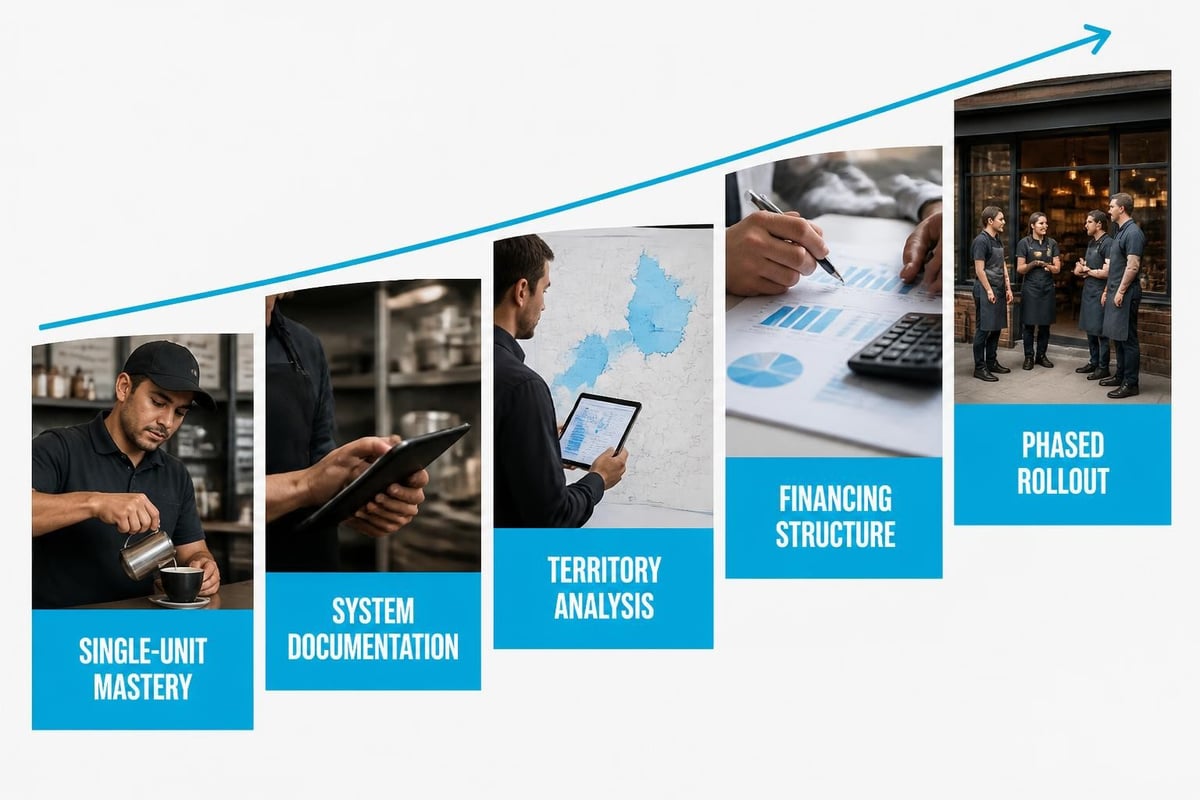
Many successful small franchise owners eventually pursue multi-unit development, leveraging their experience with the system to open additional territories. This growth strategy offers economies of scale in marketing, administration, and management while spreading franchisor fees across multiple revenue streams.
The 2025 IFA Impact Report notes that multi-unit franchisees now operate the majority of franchise locations across all segments, reflecting the scalability advantages of the franchise model. However, as Harvard Business Review explores in their analysis of sustainable growth rates, expanding too quickly can strain financial resources and management capacity.
Before pursuing additional units, ensure your first location operates profitably with documented systems and trained staff who can maintain performance during your divided attention. Most franchisors offer development agreements with specific timelines and performance requirements for multi-unit operators.
Legal Protections and Regulatory Landscape
The franchise industry operates under specific federal and state regulations designed to protect both franchisors and franchisees. Understanding these legal frameworks helps avoid common pitfalls and ensures compliance throughout the franchise relationship.
Federal Franchise Rule
The FTC's Franchise Rule establishes disclosure requirements and prohibits specific deceptive practices in franchise sales. Franchisors must provide the FDD within the required timeframe, cannot make earnings claims unless documented in Item 19, and must allow the 14-day review period before accepting any payments.
These protections apply uniformly to small franchises and large chains alike, ensuring that compact operations cannot avoid regulatory compliance simply due to their size. Violations of the Franchise Rule can result in significant penalties and may provide grounds for franchisee legal action.
State-Specific Registration and Relationship Laws
Fourteen states require franchise registration before a franchisor can legally offer or sell franchises within their borders. These registration states (including California, New York, and Illinois) review FDDs for completeness and consistency before granting approval to sell franchises.
Additionally, relationship laws in states like Wisconsin, Iowa, and New Jersey provide franchisees with additional protections regarding termination, renewal, and transfer of franchise agreements. Small franchises operating in these jurisdictions must structure their franchise agreements to comply with state-specific requirements that may be more restrictive than federal standards.
Exit Strategies and Resale Markets
Every franchise investment should include consideration of eventual exit options. Whether driven by retirement, career changes, or new opportunities, understanding how to exit a small franchise profitably protects your long-term financial interests.
Building a Saleable Business
Small franchises typically sell based on a multiple of seller's discretionary earnings (SDE), which includes owner compensation, interest, taxes, depreciation, and one-time expenses. Well-documented systems, stable customer bases, and trained staff significantly enhance resale value.
Entrepreneur's guide to franchise exit strategies outlines four primary pathways for franchise owners looking to transition out of their businesses. Most franchise agreements require franchisor approval of any buyer, making it essential to identify qualified candidates who meet the franchisor's financial and operational standards.
Understanding Franchise Transfer Requirements
Franchise agreements typically specify detailed requirements for transferring ownership, including:
- Buyer qualification standards matching or exceeding original franchisee requirements
- Transfer fees ranging from $5,000 to $15,000 to cover franchisor administrative costs
- Training requirements ensuring the new owner receives proper system education
- Lease assignment approval from landlords for location-based franchises
- Seller obligations including non-compete agreements and transition assistance periods
The Canadian Franchise Association's framework for resale programs provides valuable insights into best practices, even for U.S.-based franchise owners, emphasizing the importance of franchisor support in creating efficient secondary markets.
Market Trends Shaping Small Franchises
The small franchise sector continues evolving in response to technological advances, demographic shifts, and changing consumer preferences. Understanding these trends helps identify opportunities positioned for long-term success.
Technology Integration
Small franchises increasingly leverage technology to compete effectively against larger operations. Cloud-based management systems, mobile apps for customer engagement, automated marketing platforms, and digital payment solutions have all become standard tools that level the competitive playing field.
Technology also enables small franchises to operate more efficiently with leaner staffing. Scheduling software, inventory management systems, and customer relationship management (CRM) platforms automate tasks that previously required administrative personnel, improving profitability for compact operations.
Demographic and Lifestyle Trends
Several demographic shifts favor small franchise growth in 2026. The aging population drives demand for senior care services, home health support, and accessibility modifications. Dual-income households create markets for time-saving services like meal prep, cleaning, and errand assistance. Pet ownership rates continue climbing, expanding markets for grooming, sitting, training, and veterinary support services.
Additionally, consumer preference for local, personalized service experiences benefits small franchises that can offer customized solutions larger chains cannot efficiently deliver. This "localization" trend allows small franchise owners to differentiate within their territories while still leveraging broader brand recognition.
Sustainability and Social Responsibility
Modern consumers increasingly evaluate businesses based on environmental and social impact. Small franchises can often implement sustainable practices more quickly than large corporate operations, adapting to local preferences for eco-friendly products, reduced waste, and community engagement.
Franchisors supporting these initiatives through approved sustainable suppliers, green certification programs, and community involvement frameworks help franchisees align with customer values while maintaining brand consistency.
Small franchises offer an accessible pathway to business ownership that balances entrepreneurial independence with proven systems and brand support. By carefully evaluating opportunities, securing appropriate financing, and implementing sustainable growth strategies, franchise owners can build profitable businesses aligned with their financial goals and lifestyle preferences. Enterprise Finest Solutions helps small and medium-sized businesses explore flexible funding options for franchise acquisition, expansion, and working capital needs, connecting entrepreneurs with financing partners who understand the unique dynamics of franchise operations.
Written by
Enterprise Finest Solutions
Content creator and writer sharing insights and stories.