PO Financing: Fast Capital for Unfulfilled Orders
PO financing helps businesses fill large orders they can't afford upfront. Learn how purchase order funding works, qualification criteria, and costs.

For growing businesses, landing a large purchase order should be cause for celebration. Yet many small and medium-sized enterprises face a difficult reality: they lack the working capital to fulfill orders that could transform their trajectory. Purchase order financing, commonly known as po financing, offers a solution by providing the capital needed to pay suppliers and manufacturers before delivering goods to customers. This specialized funding mechanism enables businesses to accept orders they otherwise couldn't afford to fill, turning opportunities into revenue without depleting existing cash reserves or taking on traditional debt.
Understanding Purchase Order Financing Fundamentals
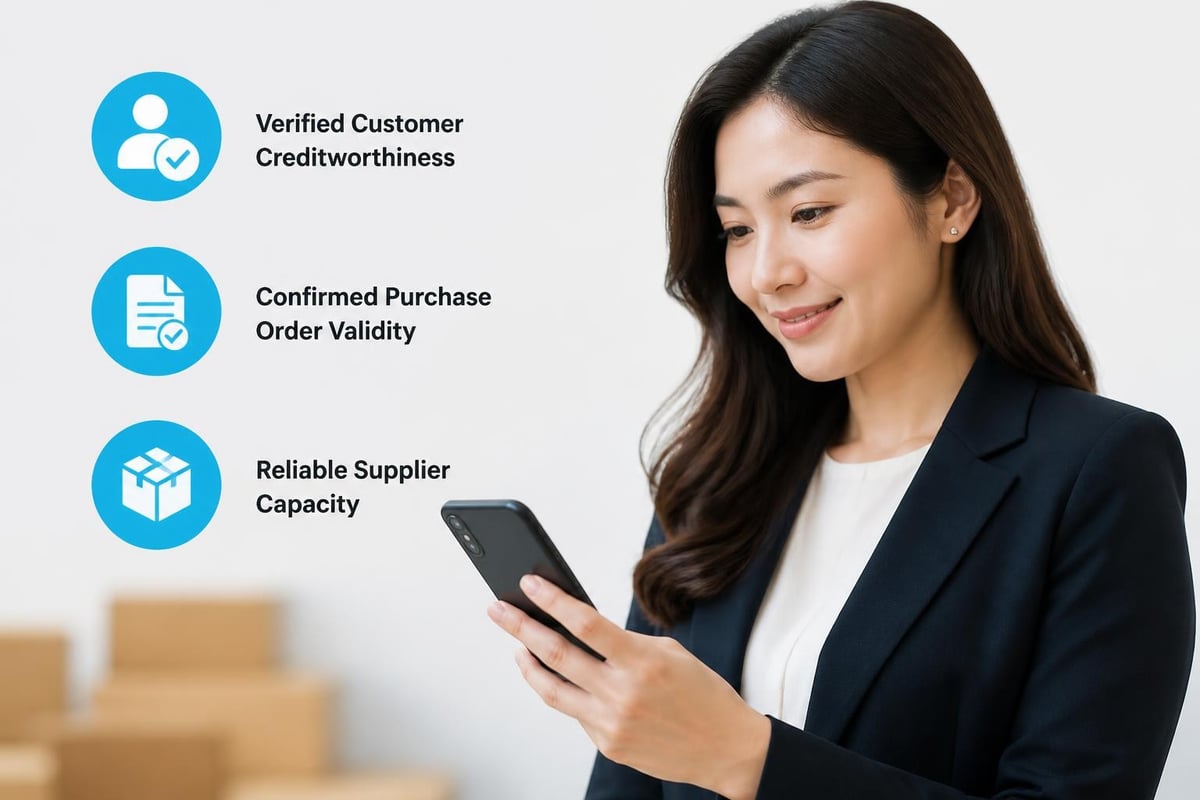
Po financing is a short-term funding solution designed specifically for businesses that need capital to fulfill confirmed customer orders. Unlike traditional loans that evaluate creditworthiness based on personal or business credit scores, this funding type focuses primarily on the creditworthiness of your customer and the validity of the purchase order itself.
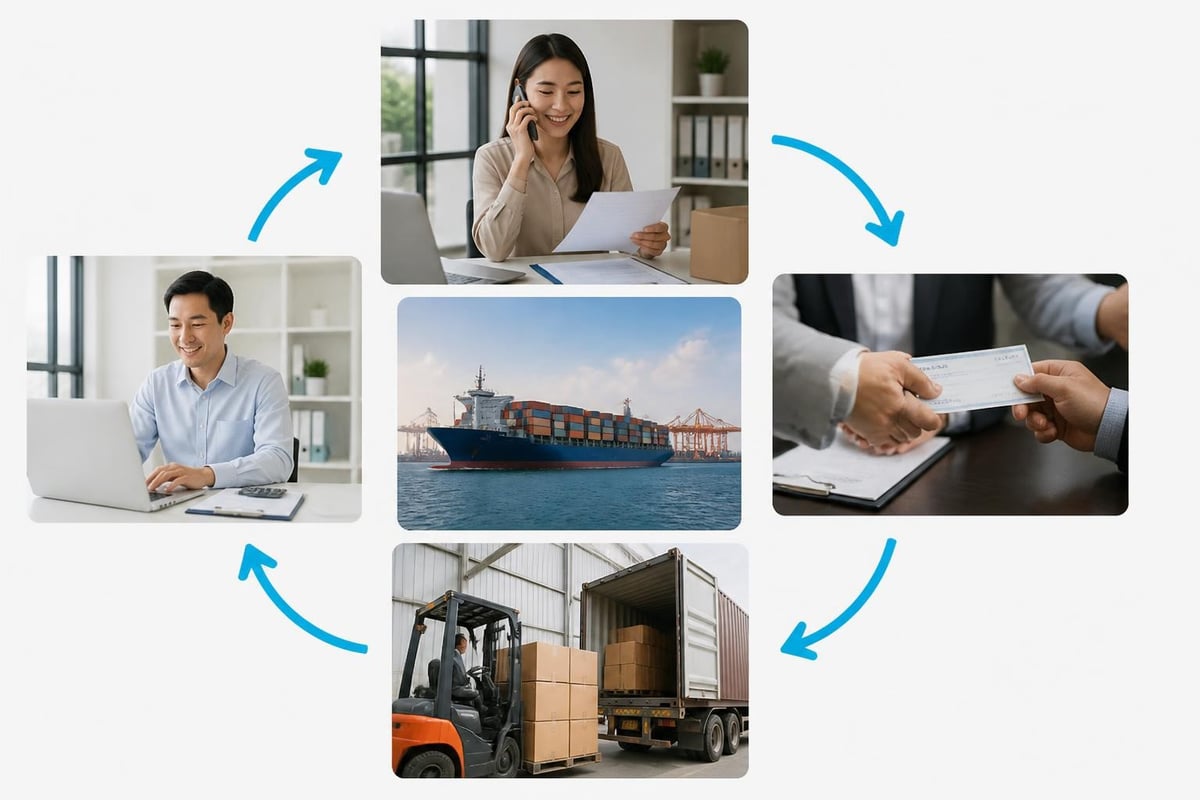
The mechanism works through a straightforward process. When a business receives a purchase order it cannot afford to fulfill, a po financing provider steps in to pay the supplier or manufacturer directly. Once the goods are produced and delivered to the end customer, the customer pays the financing company, which then remits the balance to the business owner minus fees.
Who Benefits Most From This Funding Model
Product-based businesses represent the primary candidates for po financing. This includes:
- Wholesalers and distributors purchasing inventory from manufacturers
- Importers bringing goods from overseas suppliers
- Retailers filling bulk orders for corporate or institutional clients
- Manufacturers outsourcing production components
Service-based businesses typically cannot leverage this funding type because there are no physical goods to secure the transaction. The financing provider needs tangible products that can be tracked from supplier to end customer.
The Step-by-Step Process of Securing PO Financing
Understanding how to access and utilize po financing helps businesses determine whether this funding aligns with their operational needs. The process typically unfolds across several distinct stages.
Application and verification begins when a business submits the purchase order along with documentation about the end customer and supplier. Financing providers verify that the order is legitimate, confirmed, and from a creditworthy buyer. They also assess the supplier's ability to fulfill the order according to specifications and timeline.
Documentation Requirements
| Document Type | Purpose | Typical Details Required |
|---|---|---|
| Purchase Order | Confirms customer commitment | Customer name, order amount, delivery terms, payment terms |
| Supplier Invoice | Validates production costs | Itemized costs, payment schedule, delivery timeline |
| Customer Information | Credit assessment | Business history, payment track record, financial stability |
| Business Records | Establishes legitimacy | Tax ID, business license, operating history |
Once approved, the financing company issues payment directly to the supplier. This direct payment structure protects all parties: the supplier receives guaranteed payment, the financing company maintains control over the goods, and the business owner doesn't need to advance capital.
Production and delivery occur under the watchful oversight of the financing provider. Many po financing companies require inspection reports or shipping documentation to ensure the goods meet purchase order specifications before they reach the end customer.
Payment collection happens when the customer receives the goods. The customer remits payment to the financing company according to the original purchase order terms. The financing company then pays the business owner the remaining balance after deducting the financing fee.
Cost Structure and Financial Considerations
Po financing carries distinct cost characteristics that differ substantially from traditional lending products. Understanding these expenses helps businesses evaluate whether the funding makes financial sense for specific orders.
Fee Ranges and Variables
Financing fees typically range from two to six percent of the total order value, though rates can climb higher for complex transactions, international shipments, or first-time clients. Several factors influence the final cost:
- Customer creditworthiness plays the dominant role. Orders from established corporations with excellent payment histories command lower rates than orders from newer or financially unstable customers.
- Order size affects pricing, with larger transactions sometimes securing volume discounts while very small orders may face minimum fees.
- Timeline impacts cost, as longer production and payment cycles increase the financing provider's risk exposure.
- Industry and product type create variability, with standardized commodities often receiving better rates than custom or specialized goods.
Unlike working capital financing that might offer more flexible terms for various business expenses, po financing is transaction-specific and short-term in nature. The funding exists solely to bridge the gap between order receipt and customer payment.
Qualification Criteria Beyond Credit Scores
Traditional lenders prioritize personal credit scores and business credit profiles when evaluating loan applications. Po financing flips this model by emphasizing different qualification factors that better align with the funding's purpose and structure.
Customer quality stands as the paramount consideration. Financing providers thoroughly vet the end customer's financial stability, payment history, and business reputation. An order from a Fortune 500 company or government agency substantially improves approval odds and pricing compared to an order from a newly established business.
Essential Qualification Elements
Strong candidates for po financing typically demonstrate:
- Confirmed purchase orders with clear terms, specifications, and delivery requirements
- Creditworthy customers with verifiable payment histories and financial stability
- Reliable suppliers capable of fulfilling orders according to agreed specifications and timelines
- Adequate profit margins that allow the business to profit even after financing fees
- Product-based transactions involving physical goods that can be tracked and verified
Business owners should expect the financing provider to contact the end customer to verify the purchase order's authenticity and terms. This direct verification protects against fraud and ensures all parties understand the arrangement.
Strategic Use Cases and Business Scenarios
Po financing serves specific business situations where traditional funding falls short. Recognizing these scenarios helps business owners identify appropriate timing for this financing tool.
Seasonal businesses facing concentrated order periods often struggle with cash flow timing. A gift manufacturer receiving holiday orders in August needs capital to produce inventory for November delivery, but may not have sufficient reserves after a slow summer season. Po financing bridges this seasonal gap without requiring year-round credit facilities.
Rapid growth opportunities emerge when established customers suddenly increase order sizes or new major clients place substantial initial orders. A distributor accustomed to $50,000 monthly orders suddenly receives a $200,000 purchase order. Rather than declining the opportunity or requesting extended payment terms that might frustrate the customer, po financing enables order acceptance.
International Trade Applications
Import-export businesses frequently leverage po financing due to the extended timelines and upfront payments common in international commerce. Overseas suppliers typically require significant deposits or full payment before shipping goods. Purchase order financing procedures become especially valuable when managing cross-border transactions with complex payment structures.
The funding allows importers to:
- Secure inventory from foreign manufacturers without depleting working capital
- Take advantage of bulk pricing or seasonal production windows
- Manage currency exchange timing and risk
- Fulfill domestic customer orders while goods are in transit
Contract manufacturers and businesses outsourcing production components find po financing particularly useful. When a furniture retailer receives a custom order but outsources manufacturing to specialized producers, the retailer needs capital to pay those producers before the end customer pays for the finished product.
Comparing PO Financing to Alternative Funding Solutions
Business owners evaluating financing options should understand how po financing compares to other capital sources. Each funding type serves different purposes and carries distinct advantages and limitations.
| Funding Type | Best For | Typical Timeline | Collateral | Credit Impact |
|---|---|---|---|---|
| PO Financing | Specific confirmed orders | 1-3 days | The purchased goods | Customer credit matters most |
| Business Line of Credit | Ongoing working capital needs | 1-2 weeks | Varies by lender | Business/personal credit crucial |
| Invoice Factoring | Converting completed invoices | 1-2 days | Outstanding invoices | Customer credit important |
| Term Loans | Long-term investments | 2-6 weeks | Various assets | Business/personal credit crucial |
| Merchant Cash Advance | Quick unrestricted capital | 1-3 days | Future revenue | Revenue performance focused |
Invoice factoring and po financing are frequently confused because both involve customer payments. However, factoring provides capital against invoices for goods already delivered, while po financing provides capital to fulfill orders before delivery occurs. A business might use po financing to manufacture products, then use invoice factoring to accelerate payment after delivering those goods to the customer.
Traditional lines of credit offer more flexibility regarding fund usage but require stronger credit profiles and often take longer to establish. A business line of credit can cover various expenses including inventory, payroll, and marketing, making it suitable for businesses with diverse capital needs rather than transaction-specific funding requirements.
Industry Trends and Market Evolution
The po financing market continues evolving as technology platforms streamline processes and expand access beyond traditional banking relationships. According to the World Supply Chain Finance Report 2024, supply chain finance instruments including purchase order financing have gained significant traction as businesses seek alternatives to conventional lending.
Technology-Driven Improvements
Modern po financing platforms leverage digital documentation, automated verification, and real-time tracking to accelerate funding decisions and reduce administrative burden. These technological advances benefit businesses through:
- Faster approval timelines dropping from weeks to days or even hours
- Transparent fee structures with upfront cost calculators and clear terms
- Simplified documentation using digital uploads and electronic signatures
- Better tracking capabilities providing visibility into order status and payment timelines

The integration of po financing with broader supply chain finance ecosystems creates new opportunities for businesses to optimize cash flow across multiple transaction types. Companies increasingly combine po financing for incoming orders with inventory financing for stock purchases and invoice factoring for payment acceleration.
Risk Mitigation and Best Practices
While po financing provides valuable capital access, business owners should approach this funding strategically to maximize benefits and minimize potential complications.
Margin analysis represents the critical first step. Before pursuing po financing for any order, calculate whether the profit margin absorbs the financing fee while still generating acceptable returns. An order with 15 percent gross margin can comfortably accommodate a three percent financing fee, but an order with only five percent margin may become unprofitable after fees.
Operational Best Practices
Smart po financing users implement several protective measures:
- Verify supplier reliability and production capacity before committing to customer orders
- Maintain clear communication with all parties throughout the fulfillment process
- Build financing costs into pricing strategies for future orders
- Document all agreements, specifications, and delivery terms meticulously
- Establish backup suppliers for critical products to prevent fulfillment failures
Customer vetting extends beyond the financing company's verification process. Business owners should independently assess whether customers can and will pay according to agreed terms. Large orders from customers with payment disputes, legal issues, or financial instability create risk even if a financing company approves the transaction.
The financing company's recourse provisions matter significantly. Some po financing agreements include full recourse, meaning the business owner remains responsible if the customer doesn't pay. Others offer non-recourse or limited-recourse arrangements where the financing company assumes more collection risk. Understanding these terms before signing prevents unwelcome surprises.
Strategic Integration With Growth Planning
Po financing functions most effectively as one component within a comprehensive capital strategy rather than a standalone solution. Businesses experiencing consistent growth eventually need more robust working capital structures that reduce transaction-by-transaction financing.
Successful integration involves using po financing to:
- Prove order capacity by successfully fulfilling large orders that demonstrate scalability
- Build customer relationships with major accounts that lead to recurring revenue
- Establish track records that improve qualification for traditional lending products
- Generate revenue growth that funds future working capital accumulation
Companies often transition from heavy po financing reliance toward hybrid approaches combining modest po financing for exceptional orders with established credit lines or retained earnings for standard operations. This evolution reflects business maturation and improved financial stability.
Planning for Reduced Dependence
Forward-thinking business owners view po financing as a growth tool rather than a permanent capital structure. Strategies for reducing long-term dependence include:
- Negotiating better payment terms with reliable customers to reduce capital timing gaps
- Building cash reserves from profitable operations to self-fund future orders
- Developing supplier relationships that offer extended payment terms or consignment arrangements
- Diversifying revenue across multiple customers to smooth cash flow fluctuations
The goal involves reaching a financial position where po financing becomes optional rather than necessary, reserved for truly exceptional opportunities that exceed normal working capital capacity.
Regulatory Considerations and Provider Selection
Po financing operates in a less regulated environment than traditional lending, creating both opportunities and risks for business owners. This funding type typically doesn't fall under conventional lending regulations because it's structured as a purchase and resale arrangement rather than a loan.
Provider evaluation requires careful due diligence. Business owners should investigate:
- Years in operation and industry reputation
- Fee transparency and hidden cost disclosures
- Contract terms including recourse provisions and business owner obligations
- Customer references and complaint records
- Industry affiliations and professional credentials
Reputable po financing companies maintain clear communication, provide detailed contract terms, and demonstrate established track records. Warning signs include vague fee structures, pressure tactics, upfront fees before funding, or reluctance to provide references.
Common Pitfalls and How to Avoid Them
Even experienced business owners encounter challenges when using po financing. Awareness of common mistakes helps prevent costly errors.
Underestimating total costs occurs when business owners focus solely on the stated financing fee while overlooking indirect expenses. Rush shipping charges, inspection fees, insurance requirements, and wire transfer costs can add significantly to the true financing cost. Calculate all-in expenses before committing to ensure the order remains profitable.
Inadequate margin cushions create problems when businesses accept borderline-profitable orders assuming perfect execution. Production delays, quality issues, or shipping complications can quickly erase thin margins. Maintain adequate profit buffers to absorb unexpected complications without turning profitable orders into losses.
Communication Breakdowns
Failed coordination between business owners, suppliers, financing companies, and customers causes many po financing problems. Establish clear communication protocols:
- Inform suppliers that payment will come from a financing company, not directly from your business
- Ensure customers understand they may receive payment instructions from the financing company
- Provide financing companies with accurate contact information for all parties
- Update all stakeholders promptly when timelines or specifications change
Specification mismatches between what customers ordered and what suppliers produce create disputes that can derail the entire transaction. Detailed purchase orders with precise specifications, quality standards, and acceptance criteria protect all parties. When possible, arrange inspection or quality verification before goods ship to end customers.
Po financing provides essential capital access for product-based businesses facing the challenge of fulfilling orders that exceed available working capital. By focusing on customer creditworthiness and order validity rather than business credit scores, this funding model enables growth opportunities that traditional lending might not support. Whether you need capital to fulfill a transformative order or want to explore flexible funding solutions tailored to your revenue and business performance, Enterprise Finest Solutions connects you with financing partners who understand your industry and capital requirements. Our brokerage helps you identify and compare funding options that align with your specific business situation, enabling you to seize opportunities and accelerate growth.
Written by
Enterprise Finest Solutions
Content creator and writer sharing insights and stories.