Lendio Small Business Loans: Complete 2026 Guide
Explore Lendio small business loans: how the marketplace connects borrowers to lenders, what to expect, and smarter ways to secure funding.

Small business owners searching for capital often face a fragmented lending landscape, with dozens of lenders, confusing eligibility requirements, and limited transparency about their options. Lendio small business loans have emerged as a popular solution by positioning the company as a marketplace rather than a direct lender. The platform connects borrowers with a network of financing partners, promising to simplify the search process and improve access to capital. Understanding how Lendio operates, what types of financing flow through its marketplace, and how it compares to working directly with lenders or alternative brokers can help business owners make informed decisions about their funding strategy in 2026.
How Lendio Small Business Loans Work
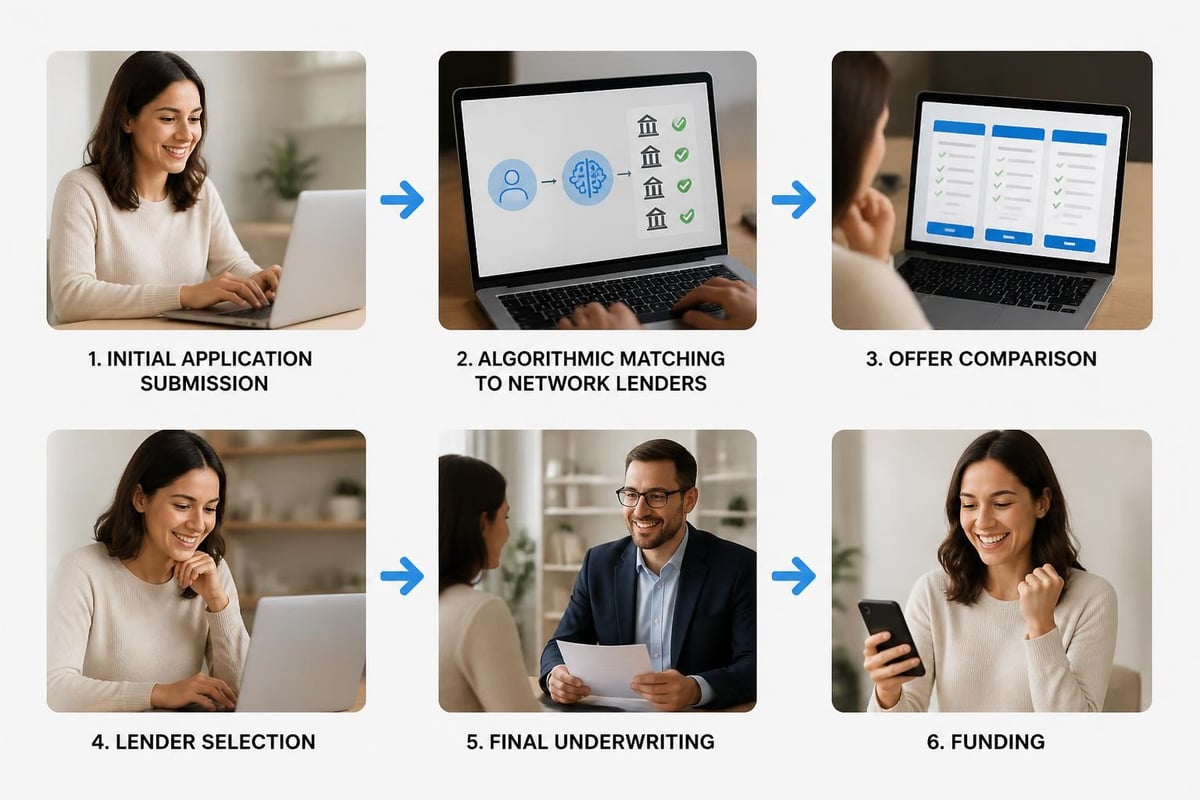
Lendio operates as a loan marketplace, not as a direct lender. The company aggregates loan products from a network of bank and non-bank lenders, then matches borrowers to potential financing partners based on the information submitted through its online application. This model has become increasingly common in the fintech ecosystem, as Harvard Kennedy School research on online lending business models demonstrates, with marketplaces serving as intermediaries that reduce search costs for both borrowers and lenders.
When a business owner applies through Lendio, the platform collects financial and operational data, then presents loan options from multiple lenders within the network. The borrower reviews offers, selects a preferred lender, and completes the underwriting process directly with that financing partner. Lendio earns revenue through referral fees paid by lenders when a loan closes, a common compensation structure in the broker and marketplace space.
The Application and Matching Process
Applicants complete a single online form that captures:
- Business revenue and time in operation
- Credit profile of the owner(s)
- Industry and business structure
- Requested loan amount and purpose
- Financial documentation (bank statements, tax returns)
Lendio's algorithm evaluates this data against the underwriting criteria of lenders in its network, then surfaces matches. The platform emphasizes speed and convenience, typically generating preliminary matches within 24 to 48 hours. However, final approval, terms, and funding timelines are controlled entirely by the individual lender, not by Lendio itself.
Types of Financing Available Through Lendio
Lendio small business loans span a wide range of products, reflecting the diversity of its lender network. The marketplace includes traditional bank loans, SBA-backed financing, and alternative products such as revenue-based financing and equipment loans.
Common Loan Products
| Product Type | Typical Amount | Term Length | Best For |
|---|---|---|---|
| SBA 7(a) Loan | $50,000 – $5 million | 10 – 25 years | Long-term growth, real estate, acquisitions |
| Term Loan | $25,000 – $500,000 | 1 – 5 years | Working capital, expansion, equipment |
| Business Line of Credit | $10,000 – $250,000 | 6 – 24 months | Cash flow, seasonal needs, short-term gaps |
| Equipment Financing | $5,000 – $5 million | 2 – 7 years | Machinery, vehicles, technology |
| Invoice Factoring | Varies by receivables | 30 – 90 days | B2B businesses with outstanding invoices |
| Revenue-Based Financing | $10,000 – $500,000 | 3 – 18 months | E-commerce, high-growth businesses |
Business owners seeking working capital financing for inventory, payroll, or operational expenses may find multiple options through Lendio's network, though interest rates, fees, and repayment structures vary significantly by lender and product type. For borrowers who prefer a direct relationship with a financing partner that offers personalized guidance, brokers like Enterprise Finest Solutions provide hands-on support in identifying appropriate funding options based on business revenue, qualifications, and capital needs.
SBA Loans and Government-Backed Programs
Lendio has been an active participant in SBA loan programs, particularly the 7(a) and 504 loan products that offer favorable terms and government guarantees. During the COVID-19 pandemic, the platform processed significant volumes of Paycheck Protection Program (PPP) applications, though federal regulators issued a warning letter about certain advertising practices and representations during that period. This regulatory scrutiny highlighted the importance of transparency and accuracy when marketplaces facilitate government-backed relief programs.
SBA loans remain among the most attractive financing options for established businesses with strong credit and time to navigate a detailed underwriting process. These loans typically feature:
- Lower interest rates compared to conventional commercial loans
- Longer repayment terms (up to 25 years for real estate)
- Higher borrowing limits (up to $5 million for 7(a) loans)
- Stricter eligibility requirements and longer approval timelines
Evaluating Lendio's Marketplace Model
The marketplace approach offers clear advantages and notable limitations. Business owners benefit from centralized access to multiple lenders and reduced search costs, as Harvard Business School research on small business lending notes when analyzing platforms like Lendio. However, the model also introduces complexity, particularly around lender selection, fee transparency, and post-match support.
Advantages of Using a Loan Marketplace
- Single application reaches multiple lenders simultaneously
- Time savings compared to contacting lenders individually
- Broad product range including bank and non-bank options
- Comparative visibility into multiple offers side by side
- Educational resources and guidance tools on the platform
These benefits are most pronounced for borrowers who lack established banking relationships or who need to explore a wide array of financing structures quickly.
Limitations and Considerations
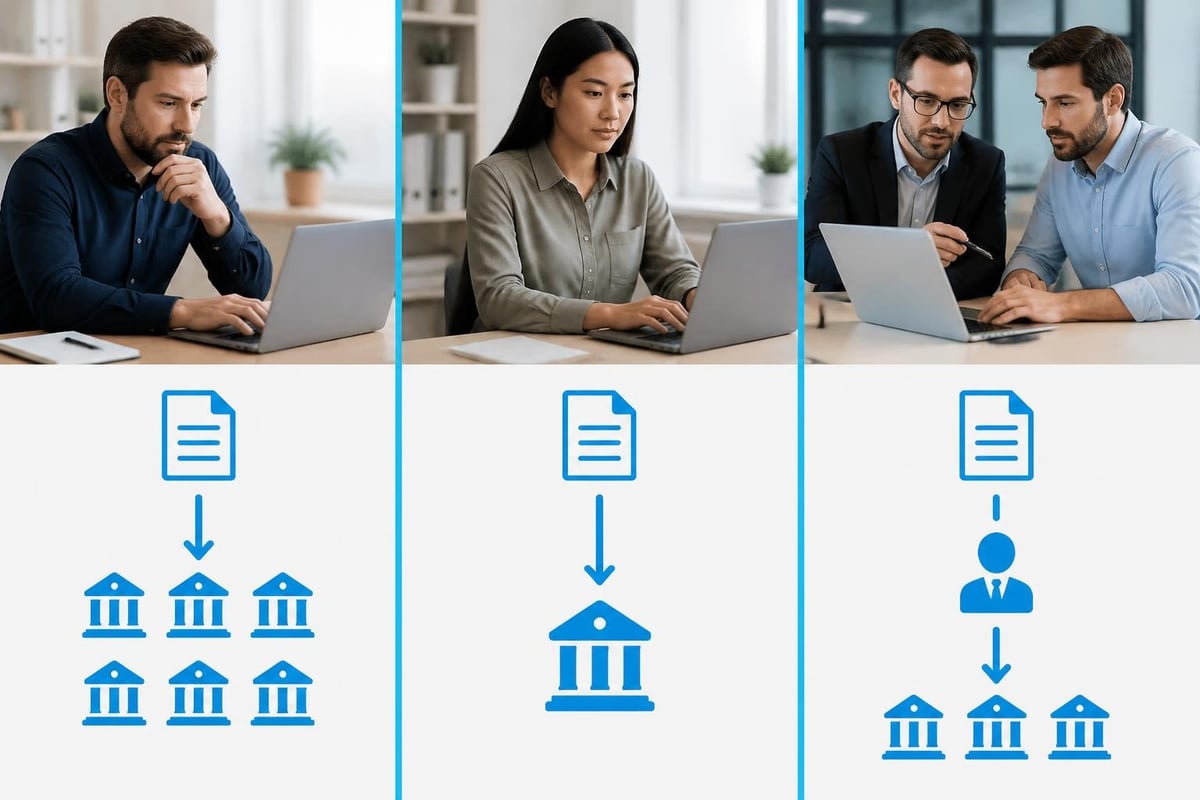
Not every lender participates in Lendio's network, which means borrowers may miss competitive offers available through direct channels or other brokers. Additionally, the quality of matches depends heavily on the accuracy of the initial application data, and algorithmic matching may overlook nuanced factors that a human advisor would consider.
| Aspect | Lendio Marketplace | Direct Lender | Alternative Broker |
|---|---|---|---|
| Application Efficiency | One form, multiple lenders | Separate application per lender | Curated matching by advisor |
| Lender Relationships | Arms-length, automated | Direct, often personalized | Broker-mediated, consultative |
| Fee Transparency | Varies by lender; disclosed at offer | Typically clear upfront | Disclosed by broker or lender |
| Post-Approval Support | Limited; shifts to lender | Direct lender support | Ongoing broker assistance |
| Product Breadth | Very broad | Narrow (one lender's portfolio) | Broad, but advisor-filtered |
Who Should Consider Lendio Small Business Loans
Lendio small business loans are best suited for specific borrower profiles and scenarios. Understanding when the marketplace model aligns with your needs-and when alternative approaches may be more effective-helps optimize your funding search.
Ideal Borrower Profiles
- Established businesses with strong credit: Borrowers who qualify for multiple products and want to compare offers efficiently.
- First-time loan seekers: Owners unfamiliar with the lending landscape who benefit from educational content and broad exposure to options.
- Time-sensitive scenarios: Businesses that need to evaluate options quickly without scheduling multiple lender meetings.
- SBA loan candidates: Companies pursuing government-backed financing and willing to work through Lendio's SBA-experienced lender partners.
When to Explore Alternatives
Certain situations call for more personalized guidance or direct lender relationships:
- Complex financial profiles with credit challenges, irregular revenue, or unique industry considerations
- Need for ongoing advisory support throughout the financing process and beyond
- Preference for relationship banking with a single trusted partner
- Highly specialized financing needs such as niche equipment or real estate projects
Business owners in these categories often find value in working with a dedicated financing broker who can assess their full financial picture, advocate on their behalf with lenders, and provide strategic advice tailored to their growth plans.
Lendio's Market Data and Industry Insights
Beyond its role as a marketplace, Lendio publishes quarterly research through its SMB Lending Index, which tracks small-business loan availability, borrower characteristics, and lender sentiment. The Q2 2025 index (the most recent data available as of September 2026) revealed a mixed outlook on capital access, with lenders expressing cautious optimism about credit availability but persistent concerns about economic uncertainty.
Key Findings from Recent Research
- Approval rates for small business loans have stabilized after declining in 2023 and early 2024, though they remain below pre-pandemic highs.
- Average loan amounts increased 7% year-over-year as businesses sought larger capital infusions for expansion and inventory.
- Credit score requirements have tightened slightly, with lenders favoring borrowers with scores above 680.
- Sector-specific trends showed strong demand in healthcare, construction, and professional services, while retail and hospitality faced more selective underwriting.
This type of market intelligence can help borrowers benchmark their applications and set realistic expectations about approval likelihood and terms. PR Newswire's distribution of the lending index provides additional context on the methodology and how lenders within the network assess market conditions.
Transparency, Fees, and the Fine Print
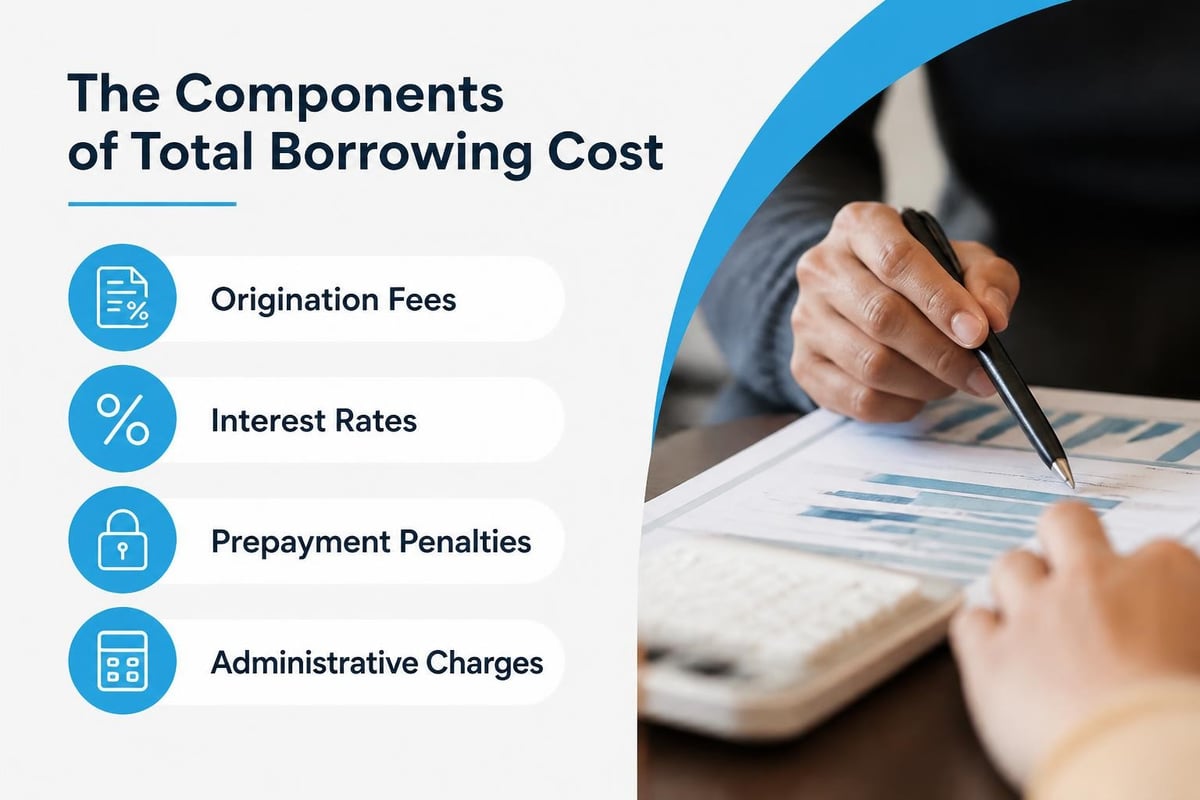
One of the most critical considerations when evaluating lendio small business loans is understanding the fee structure and total cost of capital. Because Lendio acts as a marketplace rather than a lender, fees are set by the individual financing partners, not by Lendio itself. This can lead to significant variation in the true cost of borrowing.
What to Watch For
- Origination fees: Typically 1% to 5% of the loan amount, charged by the lender at closing.
- Interest rates: Range from low single digits for SBA loans to 30% or higher for short-term alternative products.
- Prepayment penalties: Some lenders charge fees for early repayment; confirm terms before accepting an offer.
- Hidden costs: Processing fees, documentation fees, or late-payment penalties that may not be highlighted in preliminary offers.
Independent reviews, such as FitSmallBusiness's detailed evaluation of Lendio, emphasize the importance of comparing the annual percentage rate (APR) rather than the nominal interest rate alone, as APR includes fees and provides a more accurate picture of total borrowing cost.
The Impact of Economic and Regulatory Shifts in 2026
The small business lending environment in 2026 reflects broader macroeconomic trends, including interest rate normalization, regulatory scrutiny of fintech platforms, and evolving underwriting standards. Lendio small business loans, as a marketplace-facilitated product, are shaped by these forces.
Interest Rate Environment
After several years of elevated rates, the Federal Reserve has begun a gradual easing cycle, which has modestly improved borrowing costs for small businesses. However, lenders remain cautious, maintaining tighter credit standards than in the low-rate era of 2020-2021. This creates a challenging dynamic: while rates are more favorable than in 2023-2024, approval criteria are stricter.
Regulatory Attention
The Time magazine feature on PPP pitfalls and subsequent regulatory actions have prompted greater oversight of online lending platforms. Lendio and similar marketplaces now face heightened expectations around disclosure, advertising accuracy, and borrower protection, particularly when facilitating government-backed programs.
Underwriting Technology and Data
Advances in AI-driven underwriting have enabled lenders within Lendio's network to assess creditworthiness using alternative data sources, including cash flow patterns, e-commerce sales, and payment history. This benefits borrowers with limited credit history but strong operational performance, expanding access to capital for younger businesses and non-traditional industries.
How to Maximize Your Success with Lendio
Business owners who approach lendio small business loans strategically can improve their odds of securing favorable terms and finding the right lender match. The following best practices reflect lessons from both marketplace dynamics and broader small business financing trends.
Preparation Checklist
Before submitting an application, gather and organize:
- Financial statements: At least two years of profit and loss statements, balance sheets, and tax returns.
- Bank statements: Three to six months of business bank account activity.
- Business plan: A clear narrative of how funds will be used and the expected return on investment.
- Credit reports: Review personal and business credit reports for accuracy; dispute errors before applying.
- Legal documents: Articles of incorporation, operating agreements, licenses, and permits.
Application Strategy
- Be accurate and complete: Incomplete or inconsistent information delays matching and may disqualify you from top-tier lenders.
- Request realistic amounts: Over-borrowing increases interest costs; under-borrowing may leave you short of capital when you need it most.
- Compare all offers carefully: Don't accept the first match; evaluate APR, repayment terms, collateral requirements, and lender reputation.
- Ask questions: Clarify any unclear terms or fees with the lender before signing; marketplaces like Lendio connect you, but the lender owns the relationship.
Post-Match Follow-Through
Once matched with a lender, stay responsive and proactive. Provide requested documentation promptly, maintain open communication, and be prepared for additional underwriting questions. Delays on your end can result in offers expiring or lenders moving on to other applicants.
Comparing Lendio to Other Financing Solutions
While Lendio small business loans offer convenience and breadth, they are not the only path to capital. Business owners should weigh marketplace platforms against direct lenders, community banks, credit unions, and specialized brokers.
Direct Lenders and Relationship Banking
Businesses with established banking relationships may secure better terms and more flexible underwriting by working directly with their bank. Community banks and credit unions, in particular, often provide personalized service and are more willing to consider qualitative factors alongside quantitative metrics.
Specialized Brokers and Advisory Services
Financing brokers differ from marketplaces in that they offer consultative support throughout the process. Rather than relying on algorithmic matching, brokers assess each client's unique situation, advocate with lenders, and provide strategic guidance on capital structure and timing. This hands-on approach can be especially valuable for businesses with complex needs or those navigating growth transitions.
Alternative and Fintech Lenders
Beyond traditional banks and marketplace platforms, a growing number of fintech lenders offer fast, flexible capital with streamlined applications and rapid funding. These lenders often prioritize revenue and business performance over credit scores, making them accessible to businesses that may not qualify for bank loans. However, they typically charge higher rates and shorter terms, so borrowers should carefully evaluate the trade-off between speed and cost.
Key Trends Shaping Small Business Lending in 2026
The lending landscape continues to evolve, driven by technology, borrower expectations, and competitive dynamics. Several trends are particularly relevant for businesses considering lendio small business loans or alternative financing sources this year.
Embedded Finance and Industry-Specific Solutions
Lenders are increasingly partnering with software platforms, payment processors, and industry-specific service providers to offer embedded financing. For example, a restaurant equipment supplier might offer financing directly at the point of sale, streamlining the buying process and integrating credit approval with the purchasing decision.
Greater Emphasis on Cash Flow Underwriting
Traditional credit scoring is giving way to cash flow-based underwriting, especially among fintech and alternative lenders. By analyzing real-time bank account data, lenders can assess a business's ability to repay based on actual revenue and expense patterns, not just historical credit behavior.
Demand for Transparency and Borrower Education
Borrowers are demanding clearer, more accessible information about loan terms, fees, and total cost. Marketplaces and lenders that prioritize transparency and education are gaining trust and market share, while those that obscure fees or use complex pricing structures face reputational risk and regulatory scrutiny.
Lendio small business loans provide a convenient marketplace for comparing multiple financing options through a single application, but success depends on understanding how the platform works, preparing thoroughly, and evaluating all offers carefully. For businesses seeking personalized guidance and a curated approach to capital access, Enterprise Finest Solutions connects you with flexible funding solutions tailored to your revenue, qualifications, and growth objectives.
Written by
Enterprise Finest Solutions
Content creator and writer sharing insights and stories.