How to Expand Your Business Into New Markets in 2026
Learn strategic approaches to expand your business into new markets, revenue streams, and territories while managing capital needs and operational growth.

Expanding your business into new markets represents one of the most significant growth opportunities available to small and medium-sized enterprises today. Whether you're considering geographic expansion, launching new product lines, or targeting different customer segments, the journey of taking your business into uncharted territory requires careful planning, adequate capital, and strategic execution. Business owners who successfully navigate this transition understand that expansion isn't just about ambition-it's about identifying the right opportunities, securing appropriate funding, and implementing sustainable growth strategies that protect your core operations while opening new revenue channels.
Understanding Market Expansion Fundamentals
When business owners decide to take their business into new markets, they must first evaluate their current position and capacity for growth. This assessment goes beyond simple financial metrics to include operational readiness, team capabilities, and market demand validation.
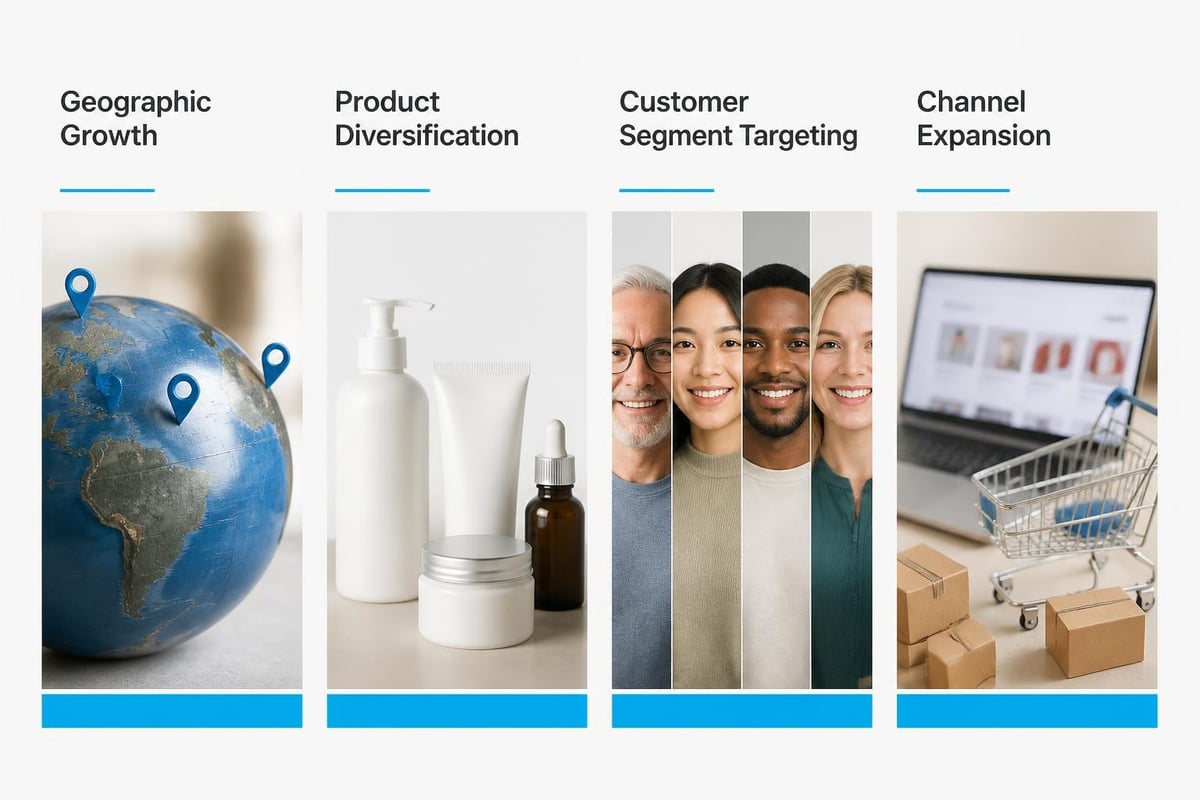
Market expansion typically falls into several categories:
- Geographic expansion into new cities, states, or countries
- Product or service diversification within existing markets
- Customer segment expansion targeting new demographics
- Channel diversification through e-commerce, wholesale, or partnerships
- Vertical integration by controlling more of your supply chain
Each expansion type carries distinct capital requirements, risk profiles, and operational challenges. A manufacturing company expanding its business into e-commerce faces completely different obstacles than a retail business opening locations in new states.
Conducting Pre-Expansion Market Research
Before committing resources to expand your business into any new market, comprehensive research provides the foundation for informed decision-making. This research phase helps you understand competitive dynamics, customer needs, regulatory requirements, and realistic revenue projections.
Primary research methods include customer surveys, competitor analysis, demographic studies, and test marketing in limited capacities. Business owners should also examine economic indicators, industry trends, and potential barriers to entry that could impact success rates.
| Research Component | Key Questions | Data Sources |
|---|---|---|
| Market Demand | Who needs this? What problems exist? | Customer interviews, surveys, focus groups |
| Competition | Who's already there? What's their market share? | Industry reports, competitor websites, trade publications |
| Regulations | What licenses or compliance is required? | Local government, industry associations, legal counsel |
| Economics | What are costs and potential returns? | Financial modeling, industry benchmarks, analyst reports |
The investment in thorough research typically pays substantial dividends by preventing costly missteps and identifying the most promising opportunities for your specific business model.
Financial Planning for Market Expansion
Expanding your business into new territories or offerings demands significant capital investment. Beyond the obvious costs like inventory, equipment, or real estate, businesses must account for marketing expenses, hiring and training, technology infrastructure, and the cash flow gap that often occurs during early expansion phases.
Calculating Your Capital Requirements
A detailed financial projection should account for both one-time expansion costs and ongoing operational expenses until the new venture reaches profitability. Many businesses underestimate the runway needed, leading to underfunded expansions that strain the entire organization.
Essential cost categories include:
- Physical infrastructure (locations, equipment, technology)
- Inventory and supplies specific to the new market
- Marketing and customer acquisition costs
- Personnel hiring, training, and compensation
- Legal, licensing, and compliance expenses
- Working capital to cover operational gaps
Business owners should build contingency reserves of at least 20-30% above projected costs to handle unexpected challenges. For companies looking to expand their business into competitive markets, these buffers often mean the difference between successful launches and premature retreats.
Funding Your Expansion Strategy
The capital structure you choose for expansion impacts both your immediate capabilities and long-term financial flexibility. Different funding approaches suit different expansion scenarios, business profiles, and risk tolerances.
Traditional bank loans offer lower interest rates but require strong credit, collateral, and lengthy approval processes. Alternative funding solutions provide faster access to capital with more flexible qualification criteria. Many growing businesses explore Working Capital Financing to secure the flexible capital needed for inventory, payroll, marketing, and other expansion-related expenses without the restrictions of conventional lending.
Revenue-based financing aligns repayment with business performance, making it particularly suitable for businesses with strong sales entering new markets. Equipment financing allows you to acquire necessary machinery or technology while preserving working capital for operational needs.
| Funding Type | Typical Speed | Best For | Key Consideration |
|---|---|---|---|
| Traditional Bank Loan | 30-90 days | Established businesses with strong credit | Requires collateral, extensive documentation |
| SBA Loan | 60-120 days | Long-term investments, real estate | Lower rates but complex process |
| Revenue-Based Financing | 1-2 weeks | Businesses with consistent sales | Repayment tied to revenue performance |
| Equipment Financing | 1-3 weeks | Machinery, vehicles, technology purchases | Equipment serves as collateral |
The right funding mix depends on your specific expansion plans, existing capital structure, and cash flow characteristics.
Operational Readiness and Scaling Challenges
Taking your business into new markets tests every aspect of your operations. Systems that worked perfectly at your current scale may break under expanded demands, and processes that seemed efficient can become bottlenecks when serving multiple markets or product lines.
Building Scalable Systems
Before launching expansion initiatives, evaluate whether your current operational infrastructure can handle increased volume and complexity. This includes technology platforms, supply chain relationships, customer service capabilities, and quality control mechanisms.
Businesses expanding into new geographic territories must consider logistics networks, local supplier relationships, and distribution channels. Those diversifying product offerings need manufacturing capacity, inventory management systems, and potentially new vendor partnerships.

Team Development and Talent Acquisition
Your people represent the most critical factor in successful market expansion. Existing team members may need training in new products, markets, or operational procedures. Most expansions also require hiring specialists with relevant expertise or local market knowledge.
Key talent considerations include:
- Leadership positions to manage new locations or product lines
- Sales and marketing professionals who understand target markets
- Operations staff with capacity to handle increased volume
- Customer service representatives for expanded customer base
- Technical specialists for new products or services
The timeline for hiring and training staff should align with your expansion rollout, ensuring adequate preparation without premature overhead burden.
Marketing and Customer Acquisition Strategies
Successfully expanding your business into new markets requires more than simply offering products or services-you must build awareness, establish credibility, and convert prospects into customers in unfamiliar territory.
Developing Market-Specific Messaging
What resonates with your current customers may not connect with new market segments. Regional preferences, cultural nuances, competitive positioning, and customer pain points vary significantly across different markets and demographics.
Effective market entry strategies begin with understanding the specific needs, preferences, and buying behaviors of target customers. This intelligence informs everything from pricing strategies to promotional channels to product positioning.
Local partnerships can accelerate market penetration by leveraging established relationships and credibility. Strategic alliances with complementary businesses, industry associations, or local influencers provide valuable endorsements and access to existing customer networks.
Budgeting for Customer Acquisition
Customer acquisition costs typically run higher in new markets where you lack brand recognition and customer testimonials. Your marketing budget should reflect this reality with sufficient investment to achieve visibility and generate initial traction.
Digital marketing offers cost-effective targeting capabilities, allowing businesses to reach specific demographics, geographic areas, or interest groups. However, different markets may require different channel mixes-what works in one region may underperform in another.
| Marketing Channel | Strength | Typical Application | Timeline to Results |
|---|---|---|---|
| Search Engine Marketing | High intent traffic | When customers actively search for solutions | 1-3 months |
| Social Media Advertising | Precise targeting | Building awareness in new demographics | 2-4 months |
| Local Partnerships | Built-in credibility | Geographic or industry-specific expansion | 1-2 months |
| Content Marketing | Long-term authority | Complex products, thought leadership | 6-12 months |
| Trade Shows/Events | Direct engagement | B2B markets, industry niches | Event-dependent |
Most successful expansion campaigns employ multi-channel approaches that build awareness through various touchpoints while maintaining consistent messaging and brand identity.
Risk Management and Contingency Planning
Every business expansion carries inherent risks that can impact both the new venture and core operations. Proactive risk identification and mitigation strategies protect your business from preventable failures while maintaining flexibility to adapt as circumstances evolve.
Common Expansion Risks
Market risk stems from overestimating demand, underestimating competition, or misjudging customer preferences in new territories. Financial risk includes underestimating capital requirements, cash flow shortfalls, or funding costs that exceed projections. Operational risk involves capacity constraints, quality issues, or supply chain disruptions that affect delivery capabilities.
Strategic risk mitigation approaches:
- Phased rollout strategies that test assumptions before full commitment
- Pilot programs in limited markets before broad expansion
- Strong financial reserves to weather initial underperformance
- Clear success metrics and decision triggers for course correction
- Separation of expansion finances from core business operations
Business owners should establish predetermined criteria for evaluating expansion success and predetermined actions if performance falls below expectations. This discipline prevents emotional decision-making during challenging periods.

Monitoring and Adjustment Protocols
Successful expansion requires continuous monitoring of key performance indicators and willingness to adjust strategies based on real-world results. The metrics you track should provide early warning signals of problems while identifying opportunities for optimization.
Financial metrics include revenue growth rates, customer acquisition costs, profit margins, and cash flow patterns. Operational metrics cover fulfillment times, quality scores, customer satisfaction ratings, and efficiency ratios. Market metrics track brand awareness, market share gains, and competitive positioning.
Regular review cycles-weekly for critical operational metrics, monthly for financial performance, quarterly for strategic assessment-ensure leadership stays informed and responsive to changing conditions.
Protecting Your Core Business During Expansion
One of the most dangerous pitfalls when expanding your business into new markets is neglecting the operations that built your success. The excitement of growth opportunities can divert attention, resources, and leadership focus from existing customers and revenue streams.
Maintaining Operational Balance
Successful expansion maintains clear boundaries between new ventures and established operations. This includes separate budgets, dedicated leadership, and distinct performance tracking that prevents new initiatives from draining resources needed for core business stability.
Existing customers deserve continued service excellence even as you pursue new markets. Any degradation in product quality, customer service, or delivery reliability risks damaging the foundation that makes expansion possible.
Cross-functional coordination becomes increasingly important as organizations grow more complex. Regular communication between expansion teams and core operations prevents conflicts, identifies resource constraints early, and facilitates knowledge sharing that benefits the entire organization.
Financial Safeguards
Maintain separate financial tracking for expansion initiatives to understand their true costs and returns without commingling with established operations. This transparency enables better decision-making about continuing, scaling, or redirecting expansion efforts.
Working capital management becomes critical when serving multiple markets or product lines. Businesses must balance inventory investment across different offerings, manage varying payment terms with different customer segments, and maintain sufficient cash reserves for both expansion needs and core operational requirements.
Measuring Expansion Success
Clear success metrics provide objective assessment of whether your expansion achieves strategic objectives. These measurements should encompass financial performance, market penetration, operational efficiency, and strategic positioning.
Key Performance Indicators
Revenue growth represents the most obvious metric, but successful expansion also requires profitable growth that contributes positively to overall business health. Track gross margins, operating expenses as a percentage of revenue, and ultimately net profitability for new market activities.
Market share indicators show competitive positioning within target markets. Customer acquisition rates, retention percentages, and lifetime value calculations demonstrate whether you're building sustainable customer relationships or simply churning through expensive acquisitions.
Critical success metrics include:
- Revenue growth rate in new markets versus projections
- Customer acquisition cost and payback period
- Market penetration percentage within target segments
- Profit margins compared to core business operations
- Return on investment timeline and rate
- Customer retention and repeat purchase rates
Establish baseline projections during planning phases and conduct regular variance analysis to understand performance gaps and their underlying causes.
Strategic Milestone Tracking
Beyond financial and operational metrics, strategic milestones indicate progress toward long-term expansion goals. These might include partnership agreements, regulatory approvals, product launches, or geographic coverage achievements.
Timeline adherence matters because delays often signal underlying problems with execution, resource availability, or market readiness. However, flexibility remains important-rigid adherence to predetermined timelines despite changing market conditions can lead to poor outcomes.
Long-Term Integration and Optimization
After initial market entry, the focus shifts from launch execution to operational optimization and full integration with your broader business strategy. This phase determines whether expansion delivers sustainable value or remains a perpetual drain on resources.
Successful integration involves standardizing processes where appropriate while maintaining flexibility for market-specific requirements. Technology systems should connect across business units to provide comprehensive visibility while serving local needs. Personnel policies should balance corporate culture with local market realities.
Continuous improvement initiatives identify opportunities to increase efficiency, reduce costs, and enhance customer value across all operations. The lessons learned from expansion often benefit core business operations as well, creating virtuous cycles of organizational learning and capability development.
Taking your business into new markets requires strategic planning, adequate capital, operational readiness, and disciplined execution that balances growth ambitions with risk management. Success depends on thorough research, appropriate funding, scalable systems, and continuous performance monitoring that enables timely adjustments. Enterprise Finest Solutions helps small and medium-sized businesses access the flexible funding solutions needed to pursue growth opportunities while maintaining financial stability, connecting business owners with financing options aligned to their revenue, performance, industry, and capital requirements.
Written by
Enterprise Finest Solutions
Content creator and writer sharing insights and stories.