Business Income: A Complete Guide for 2026
Discover how to track, understand, and optimize business income in 2026. Learn about revenue recognition, tax reporting, and funding strategies.
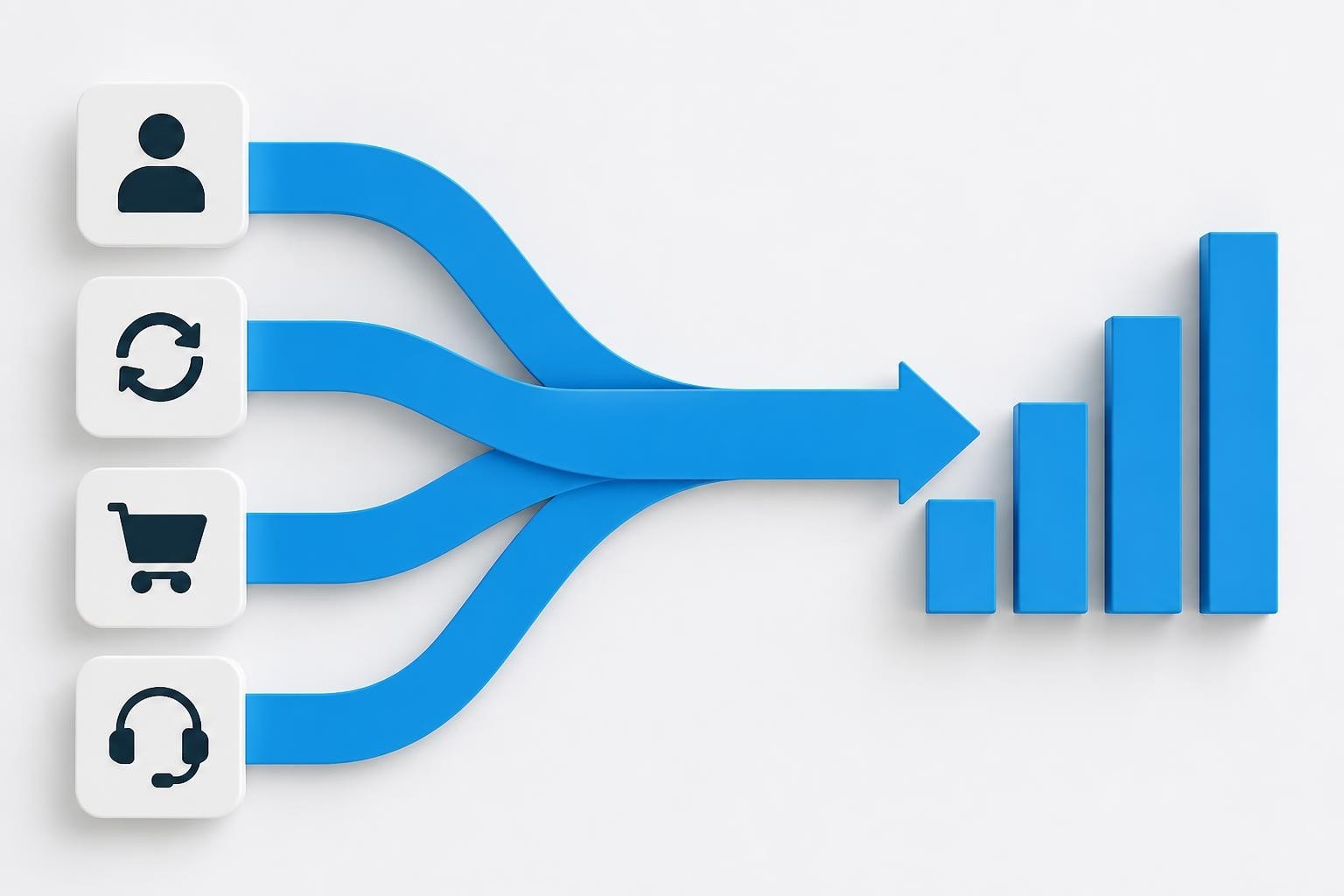
Understanding business income is fundamental to running a successful enterprise in 2026. Whether you operate a sole proprietorship, partnership, or corporation, the ability to track, measure, and optimize your revenue streams directly impacts your company's growth trajectory, tax obligations, and access to capital. Business income represents the lifeblood of your operations-the money flowing into your business from sales, services, fees, and other commercial activities. For business owners seeking financing, lenders scrutinize business income to assess creditworthiness, repayment capacity, and overall financial health.
What Qualifies as Business Income
Business income encompasses all revenue your company generates through its ordinary business activities. This includes sales of products or services, commissions, fees, rental income from business property, and interest earned on business accounts. The IRS defines business income broadly to capture all amounts received in the course of trade or business operations.
Primary Revenue Sources
Different business models generate income through distinct channels:
- Product sales: Revenue from selling physical goods, inventory, or manufactured items
- Service fees: Income from professional services, consulting, or labor
- Subscription revenue: Recurring payments for ongoing access to products or services
- Commission income: Earnings from facilitating transactions or sales for third parties
- Licensing and royalties: Payments for intellectual property, patents, or brand usage
- Interest and dividends: Investment income earned through business accounts or holdings
The IRS Tax Guide for Small Business provides comprehensive details on how each category should be documented and reported for tax purposes.
What Doesn't Count
Not every dollar entering your business bank account qualifies as income. Capital contributions from owners, loan proceeds, and transfers between business accounts represent cash flow but not taxable revenue. Understanding these distinctions prevents accounting errors and ensures accurate financial reporting.

Revenue Recognition and Accounting Standards
The timing of when you recognize business income matters as much as the amount. Accounting standards dictate specific rules for recording revenue, which affect your financial statements, tax obligations, and performance metrics.
Cash vs. Accrual Accounting
| Method | When Income Is Recorded | Best For | Advantages |
|---|---|---|---|
| Cash basis | When payment is received | Small businesses, sole proprietors | Simple, tracks actual cash flow |
| Accrual basis | When earned, regardless of payment | Growing companies, inventory businesses | Matches revenue to expenses, required for corporations |
| Hybrid method | Combines both approaches | Specific industries with IRS approval | Flexibility for certain transactions |
The accrual method provides a more accurate picture of business performance by matching revenue with the expenses incurred to generate it. The IFRS 15 standard on revenue recognition establishes a five-step framework used globally for recognizing revenue from customer contracts.
The Five-Step Revenue Model
Modern accounting follows a principle-based approach to business income recognition:
- Identify the contract with a customer that creates enforceable rights and obligations
- Identify performance obligations within that contract-distinct goods or services promised
- Determine the transaction price including variable consideration, discounts, and non-cash amounts
- Allocate the price to each performance obligation based on standalone selling prices
- Recognize revenue when (or as) each performance obligation is satisfied through transfer of control
This framework ensures consistent treatment across industries and prevents premature revenue recognition. The IFRS Foundation's post-implementation review concluded in 2024 that the standard has improved transparency and comparability in financial reporting.
Measuring and Tracking Business Income
Accurate measurement starts with robust systems and consistent processes. In 2026, most businesses use cloud-based accounting platforms that automate much of the tracking work.
Essential Metrics
Business owners should monitor several key indicators beyond top-line revenue:
Gross income represents total revenue before any deductions. Net income subtracts the cost of goods sold and operating expenses to reveal actual profitability. Operating income excludes non-operating items like interest and investment gains to show core business performance.
Revenue per customer and customer lifetime value help assess the quality of your income streams. Businesses with higher average transaction values or longer customer relationships typically enjoy more stable and predictable business income.
Documentation Requirements
Proper recordkeeping protects your business during audits and provides the data needed for financing applications. The Small Business Administration recommends maintaining detailed records of all sales transactions, invoices, receipts, and bank deposits.
- Invoice copies with customer information, dates, and payment terms
- Point-of-sale records showing individual transactions
- Bank statements reconciled monthly
- Merchant processor statements for card payments
- 1099 forms for contractor payments received
- Supporting documentation for refunds, discounts, or adjustments
Maintain these records for at least seven years to satisfy IRS requirements and support potential financing needs. When businesses apply for funding, lenders often request multiple years of income documentation to verify revenue trends and consistency.

Tax Implications of Business Income
Every dollar of business income carries tax consequences at federal, state, and often local levels. Tax planning should be a year-round activity, not a year-end scramble.
Federal Income Tax
The structure of your business determines how income is taxed. Sole proprietors report business income on Schedule C of their personal tax return, paying self-employment tax plus regular income tax. Partnerships pass income through to partners via K-1 forms. C corporations pay corporate income tax, while S corporations and LLCs typically pass income through to owners.
The 2026 tax year maintains the qualified business income deduction (Section 199A) for eligible pass-through entities, allowing deductions up to 20% of qualified business income subject to income limitations and business type restrictions.
Estimated Tax Payments
Because business income isn't subject to withholding like wages, owners must make quarterly estimated tax payments. Underpayment penalties apply if you don't remit at least 90% of the current year's tax liability or 100% of the prior year's liability through estimated payments and withholding.
Calculate estimated taxes based on projected business income, accounting for seasonal fluctuations and growth trends. Many businesses use the annualized income installment method when income is uneven throughout the year.
State and Local Considerations
State tax treatment of business income varies significantly. Nine states impose no personal income tax, benefiting sole proprietors and pass-through entities. Others have flat or progressive rates on business income. Some cities and counties levy gross receipts taxes or business privilege taxes based on revenue rather than profit.
Professional tax guidance from firms like KPMG helps navigate the complex interplay of federal, state, and local tax obligations specific to your jurisdiction and industry.
Business Income and Access to Capital
Lenders and investors scrutinize business income to assess your company's financial stability and growth potential. Consistent, well-documented revenue is the foundation of creditworthiness.
How Lenders Evaluate Income
Financing partners examine several aspects of your business income:
- Consistency: Steady monthly revenue signals lower risk than volatile income patterns
- Trend: Growing business income demonstrates market traction and operational success
- Diversity: Multiple revenue streams reduce dependency on single customers or products
- Quality: Recurring revenue from contracts or subscriptions is valued more highly than sporadic project income
- Documentation: Verifiable income through tax returns, bank statements, and accounting records
The World Bank's Enterprise Surveys reveal that access to finance remains a top constraint for firms globally, with lenders placing primary emphasis on demonstrated revenue capacity.
Revenue-Based Financing Options
Some funding solutions tie directly to business income levels. For businesses with consistent revenue streams, a business line of credit can provide flexible access to capital for recurring or unexpected expenses including inventory, payroll, and marketing needs, with qualification often focused on business performance and revenue rather than purely credit scores.
| Financing Type | Income Requirement | Repayment Structure | Best For |
|---|---|---|---|
| Term loan | Minimum monthly revenue threshold | Fixed payments | One-time capital needs |
| Line of credit | Consistent income history | Variable based on draws | Ongoing working capital |
| Revenue-based | Strong monthly receipts | Percentage of future sales | Businesses with seasonal fluctuations |
| Invoice factoring | Accounts receivable | Advance on invoices | B2B companies with payment terms |

Industry-Specific Income Considerations
Different sectors face unique challenges in generating, measuring, and reporting business income. Understanding your industry's norms helps benchmark performance and identify improvement opportunities.
Service-Based Businesses
Professional service firms-consultants, agencies, accountants, lawyers-typically operate on billable hours or project fees. Business income often depends on utilization rates (percentage of time billed to clients) and realization rates (percentage of billed time actually collected).
Key metrics include revenue per employee, average project value, and client concentration. High dependency on a few large clients creates income volatility if contracts end.
Product-Based Businesses
Retailers, manufacturers, and distributors generate business income through product sales. Gross margin (the difference between wholesale cost and retail price) directly impacts profitability. Inventory turnover affects how quickly you convert products into revenue.
Seasonal businesses face significant income fluctuations. Toy retailers generate most annual revenue during the holiday quarter. Landscaping companies in northern climates see dramatic summer peaks. Financial planning must account for these patterns.
Subscription and Recurring Revenue Models
Software-as-a-service companies, membership organizations, and subscription box businesses enjoy more predictable business income. Monthly recurring revenue (MRR) and annual recurring revenue (ARR) become primary metrics.
Churn rate-the percentage of subscribers who cancel-directly impacts long-term income stability. A 5% monthly churn rate means you must replace 60% of your customer base annually just to maintain current revenue levels.
E-Commerce and Online Businesses
Digital businesses track business income through platforms like Shopify, Amazon, or custom systems. Multiple payment processors, international sales, and marketplace fees complicate accounting. Currency fluctuations affect businesses selling across borders.
Return rates impact net business income significantly in e-commerce. A clothing retailer with 30% return rates must generate substantially more gross sales to achieve target net revenue.
Optimizing Business Income
Growing your top line requires strategic focus on pricing, sales processes, and operational efficiency. Even modest improvements in key areas compound into significant revenue gains.
Pricing Strategy
Your pricing directly determines business income per transaction. Many small businesses underprice their offerings, leaving substantial revenue on the table. Value-based pricing-charging based on the customer benefit rather than cost-plus markup-often supports higher prices and margins.
Testing price elasticity reveals how sensitive customers are to price changes. A 10% price increase with only 5% volume decline yields net revenue growth. Dynamic pricing adjusts rates based on demand, time, or customer segment to maximize total business income.
Sales Process Improvement
Converting more prospects into customers grows business income without additional marketing costs. Analyze your sales funnel to identify bottlenecks:
- Lead generation: How many qualified prospects enter your pipeline monthly?
- Initial contact: What percentage respond to outreach?
- Proposal stage: How many request quotes or proposals?
- Closing: What's your win rate on proposals submitted?
- Onboarding: How quickly do new customers generate first revenue?
Small improvements at each stage multiply. Increasing close rate from 20% to 25% means 25% more business income from the same lead volume.
Revenue Diversification
Relying on a single product, service, or customer creates income risk. The U.S. Census Bureau's Statistics of U.S. Businesses tracks receipts and revenue patterns across firm sizes and industries, revealing that diversified businesses show greater resilience during economic downturns.
Add complementary offerings that serve existing customers. Cross-selling and upselling to current clients costs far less than acquiring new ones. A graphic design firm might add website development, brand consulting, or social media management to expand per-client business income.
Managing Income Volatility and Cash Flow
Even profitable businesses fail when business income doesn't align with expense timing. Cash flow management separates sustainable companies from those constantly scrambling to make payroll.
Building Income Reserves
Operating reserves buffer against slow months and unexpected expenses. Financial advisors typically recommend maintaining three to six months of operating expenses in liquid reserves. Service businesses with high fixed costs need larger cushions than those with variable cost structures.
Calculate your reserve target by identifying essential monthly expenses that continue regardless of income: rent, utilities, minimum payroll, insurance, and loan payments. Multiply this baseline by your target number of months.
Accelerating Receivables
Faster collection of business income improves cash flow without increasing sales. Strategies include:
- Deposit requirements: Collect 25-50% upfront for projects or large orders
- Shorter payment terms: Move from Net 60 to Net 30 or Net 15
- Early payment discounts: Offer 2% discount for payment within 10 days
- Automated billing: Send invoices immediately upon delivery rather than month-end
- Payment plans: Break large projects into milestone-based payments
Each day of reduced collection time improves working capital. A business with $500,000 annual revenue collected 10 days faster frees up approximately $13,700 in cash.
Seasonal Planning
Businesses with predictable income seasonality should plan expenses accordingly. During peak revenue periods, set aside funds for lean months rather than increasing discretionary spending. Build your budget using conservative income projections based on historical low points.
Line up financing before you need it. Establish credit lines during strong revenue months when qualification is easier. Having capital available provides flexibility to maintain operations, invest in inventory, or capitalize on opportunities when business income temporarily dips.
Understanding and optimizing business income requires consistent attention to revenue sources, accurate measurement, strategic pricing, and prudent financial management. Whether you're tracking daily sales, planning for growth, or navigating seasonal fluctuations, strong revenue performance opens doors to expansion and sustainability. Enterprise Finest Solutions helps small and medium-sized businesses access flexible funding solutions aligned with their revenue patterns, business performance, and capital needs, connecting you with financing partners who understand the relationship between consistent business income and long-term success.
Written by
Enterprise Finest Solutions
Content creator and writer sharing insights and stories.